There are many times in the life of a teacher when we are filled with fear, doubt and confusion. Literally, that would be the title of my first year as a teacher. And now, in 2020, we all feel that uncertainty renewed as we navigate a new normal in the midst of the COVID-19 pandemic.
The all new Dear Linda column on PAGES, a Techniques blog has been in planning stages since fall 2019 but there seems no better time than now to launch. Dear Linda is a space for career and technical educators, where they can feel supported and encouraged to ask questions, seek answers and uncover valuable resources, now and going forward.
Dear Linda,
My school district provided guidance that we should teach using asynchronous learning. What does that mean for a career and technical education (CTE) course? –A Teacher from Connecticut
Hello and thank you, Connecticut, for your question.
This is a great question. I, too, felt overwhelmed by the word “asynchronous” when I first heard it and so what did I do? A search! Google defines the term:
Asynchronous learning is the idea that students learn the same material at different times and locations. Asynchronous learning is also called location independent learning, and is opposite to synchronous learning where students learn at the same time by activities such as attending a lecture or laboratory.
After reading this, I took a moment and really thought about the CTE classroom; I realized that we have been asynchronous for years.
Think about your own classroom.
You provide the content through slides and demonstrations; then students are offered time to work on their skills independently. The key word there is independently. CTE students are resilient and able to adapt to a variety of situations. Why? We prepare them for the ever-changing workforce.
Now, in the midst of the current COVID-19 crisis, the only major difference is, your content will be delivered via a platform such as Google Classroom.
What exactly does asynchronous learning look like?
-
- Content can be delivered (whether review or new, district depending) via Google Slides. You can use Google Meet to review the slides live or you might record them and publish in your classroom. There is value added for students as they listen to you point out the key elements of the lesson.
- Questions can be answered during Google Meet live sessions or during virtual office hours I have also been scheduling check-in times where students can come just to talk like they used to in my brick and mortar classroom.
- Skill videos can be uploaded from a variety of resources or if you have materials at home, you can simulate. In the video below you can see how I have modified a partial bed bath for my nurse aide students using a baby doll.
- Attendance can be taken using a Google Form, which transfers to a Google Sheet. Another idea is to set up an expectation for “roll call” using your system’s chat feature, where students simply comment “here” when they enter. If you are doing a Google Meet, there is an add-on feature that tracks attendance automatically.
Keep in mind
Many students will benefit from the added flexibility of an asynchronous learning environment; they can enter your classroom day or night to view and complete the assignments.
Try not to stress. Keep things simple. Remind yourself as you remind your students… We are all learning together. Focus on keeping your virtual classroom environment, safe, loving and a place where your students feel comfortable coming to talk and learn. Let them always know how much you care!
Be safe and thank you again for this wonderful question.
Linda Romano
>nbsp;
Send us your questions and Linda will have the answers. Questions for Dear Linda can be emailed to techniques@acteonline.org.
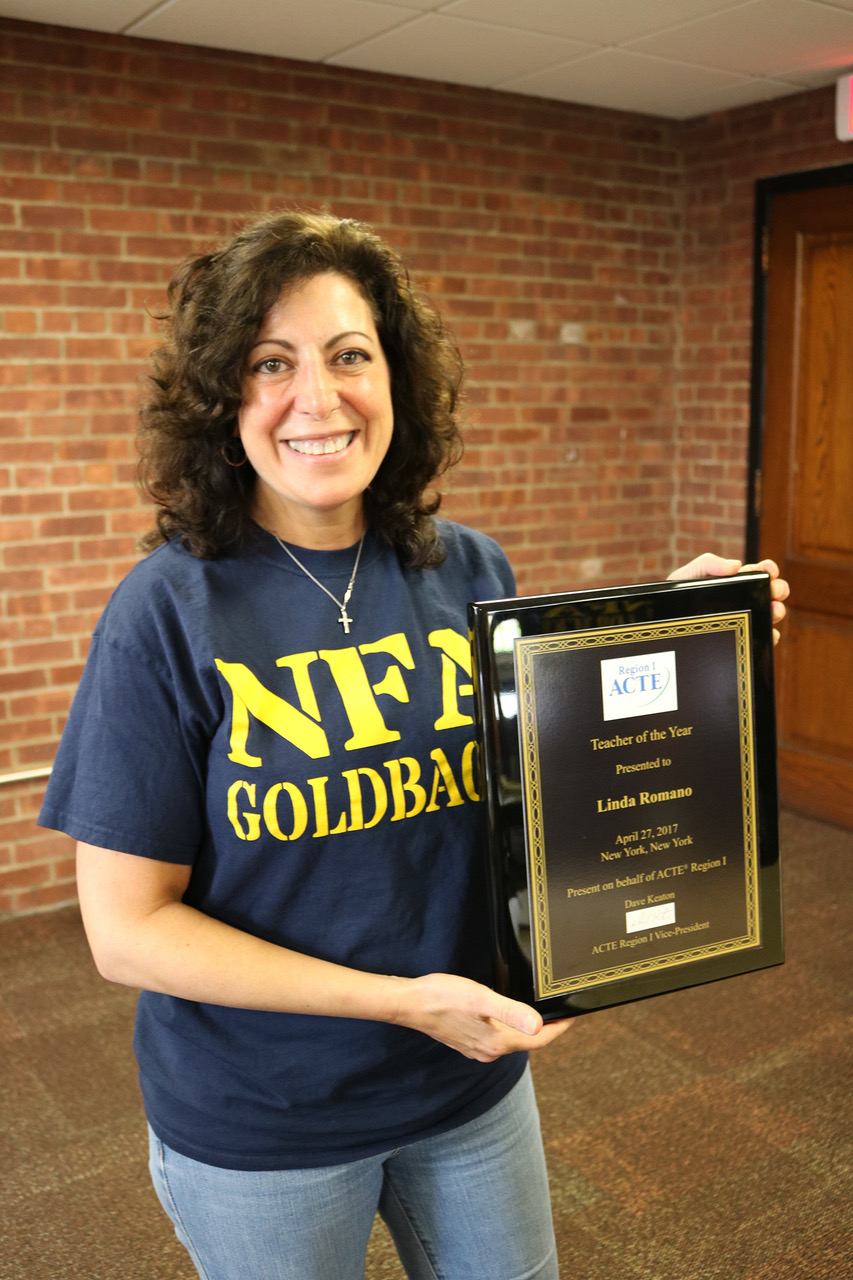
Linda Romano is vice president of ACTE’s Health Science Education Division and a health science/nurse aide educator for Newburgh Enlarged City School District, where she has been a CTE teacher since 2006. In 2018, Romano was named ACTE’s Teacher of the Year. She also serves as president of the New York Health Science Educator Association.
Romano is an active registered nurse and serves in several volunteer capacities for her state of New York and within the local Newburgh Community/ Newburgh Armory Unity Center. In addition to mentoring new teachers, Linda Romano developed and leads a program called Scholars in Scrubs, which provides education, health and wellness, and opportunities for young people (pre-K to high school) and their parents/grandparents.

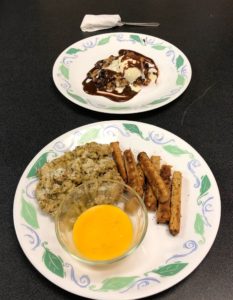
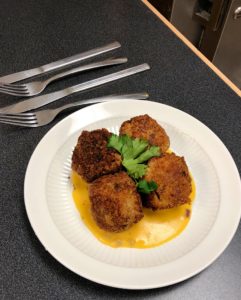 y classes at Bartlett High School participated in Cooks and Camo, a competition-style event sponsored by the Illinois Army National Guard. Competitors were challenged to create an entree and dessert items inspired by military field rations, known as meals ready to eat (MRE).
 a family and consumer sciences teacher at Bartlett High School, in Bartlett, Illinois.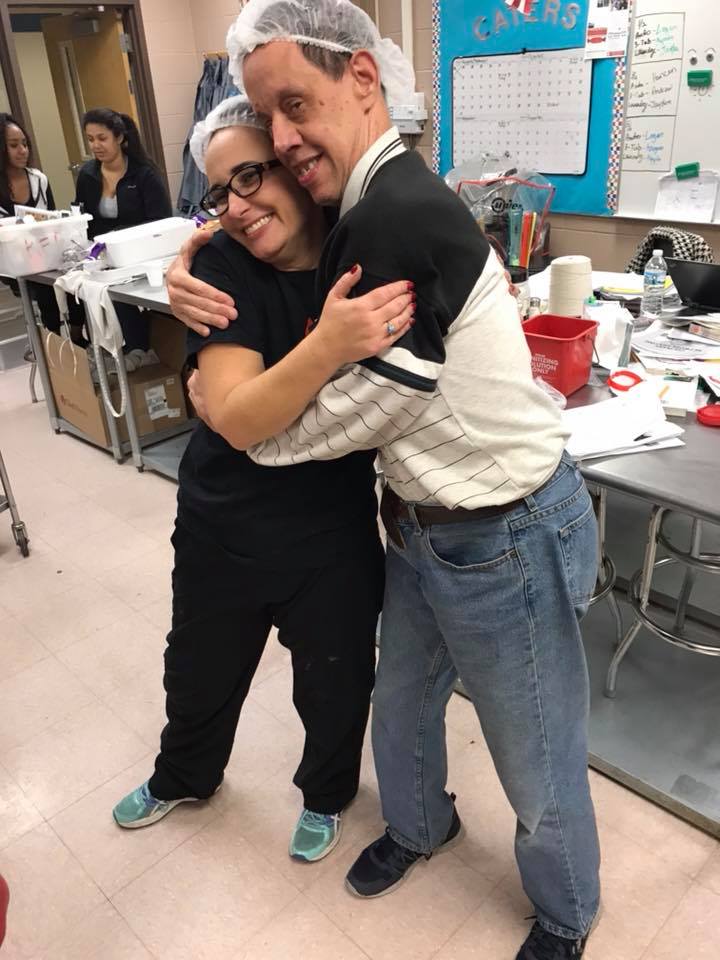
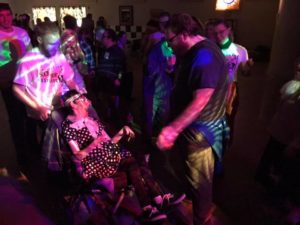 On Dec. 14, 2018, Bona Vista and Kokomo Area Career Center, in Kokomo, Indiana, hosted the Sock Hop >amp; Roll. The event was designed by Keegan Paul, a career center student and Bona Vista intern, to offer “adults with disabilities a fun night of dancing, snacking and socializing.” The event was a success! Success that is due, at least in part, to collaboration among career and technical educators — and with business and community partners.
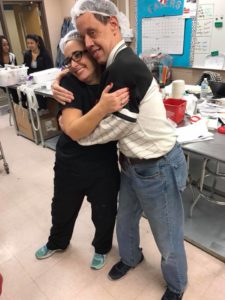 “My Kokomo Area Career Center students learn to work together with people from all walks of life. These experiences will serve our culinary arts students well in any situation,” said Shelley Rust, culinary arts instructor and past president of
 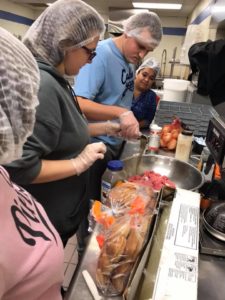 The event offered a unique opportunity for career and technical education students to gain real-world experience and have some fun, too. Culinary arts students developed recipes and conducted tastings with Bona Vista Bistro clients to create the menu. Students in the Kokomo Area Career Center’s cosmetology program styled hair and makeup for the guests, while media marketing students played paparazzi. Those enrolled in the certified nursing assistant program volunteered to provide aid to attendees as needed.