
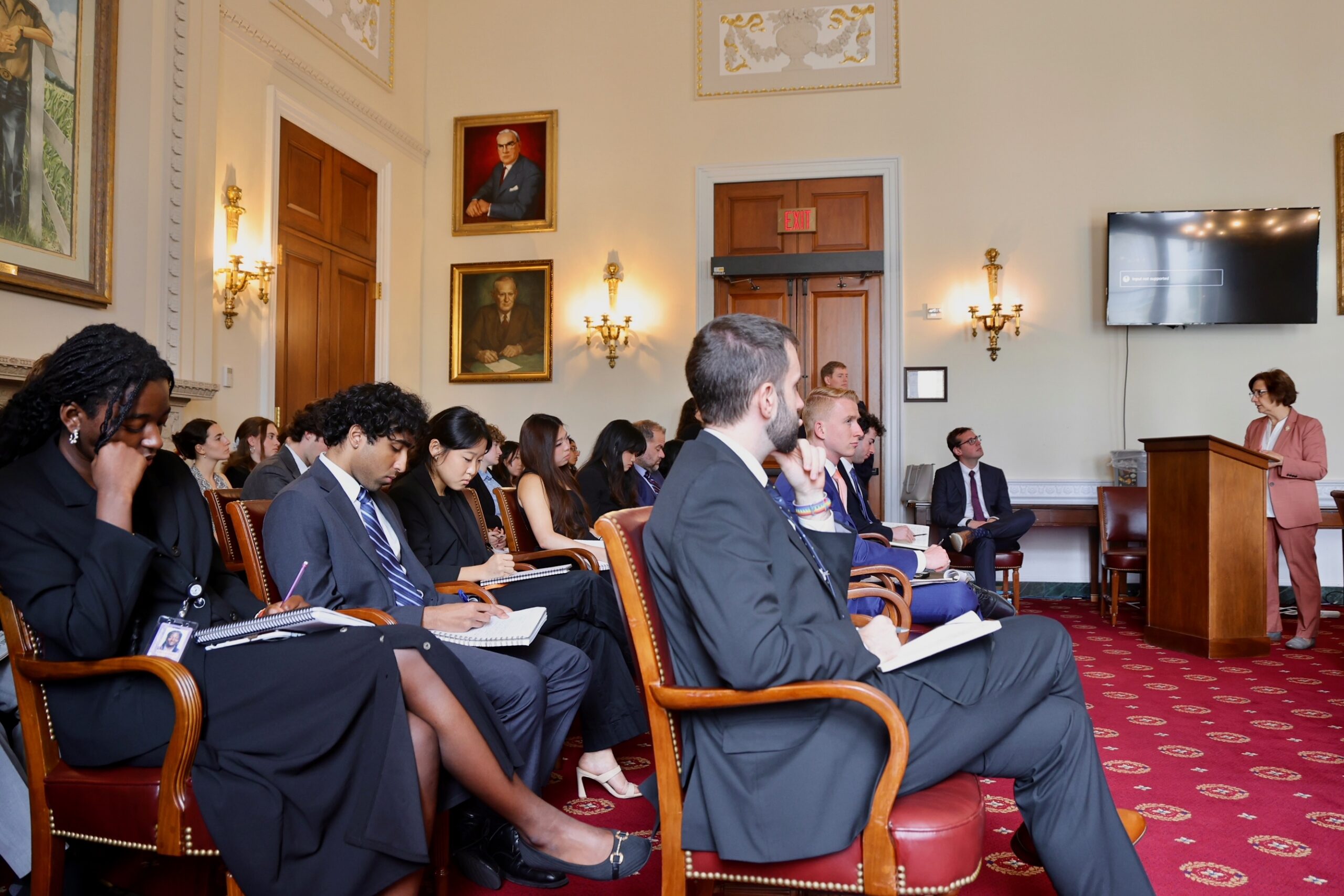
As artificial intelligence (AI) reshapes the workforce, Congress is looking to career and technical education (CTE) leaders for answers. During a July 2026 House Career and Technical Education Caucus briefing hosted by ACTE and Advance CTE, policymakers heard how AI is transforming education, workforce development, and how CTE can be leveraged to give students the skills and AI literacy they need to succeed.
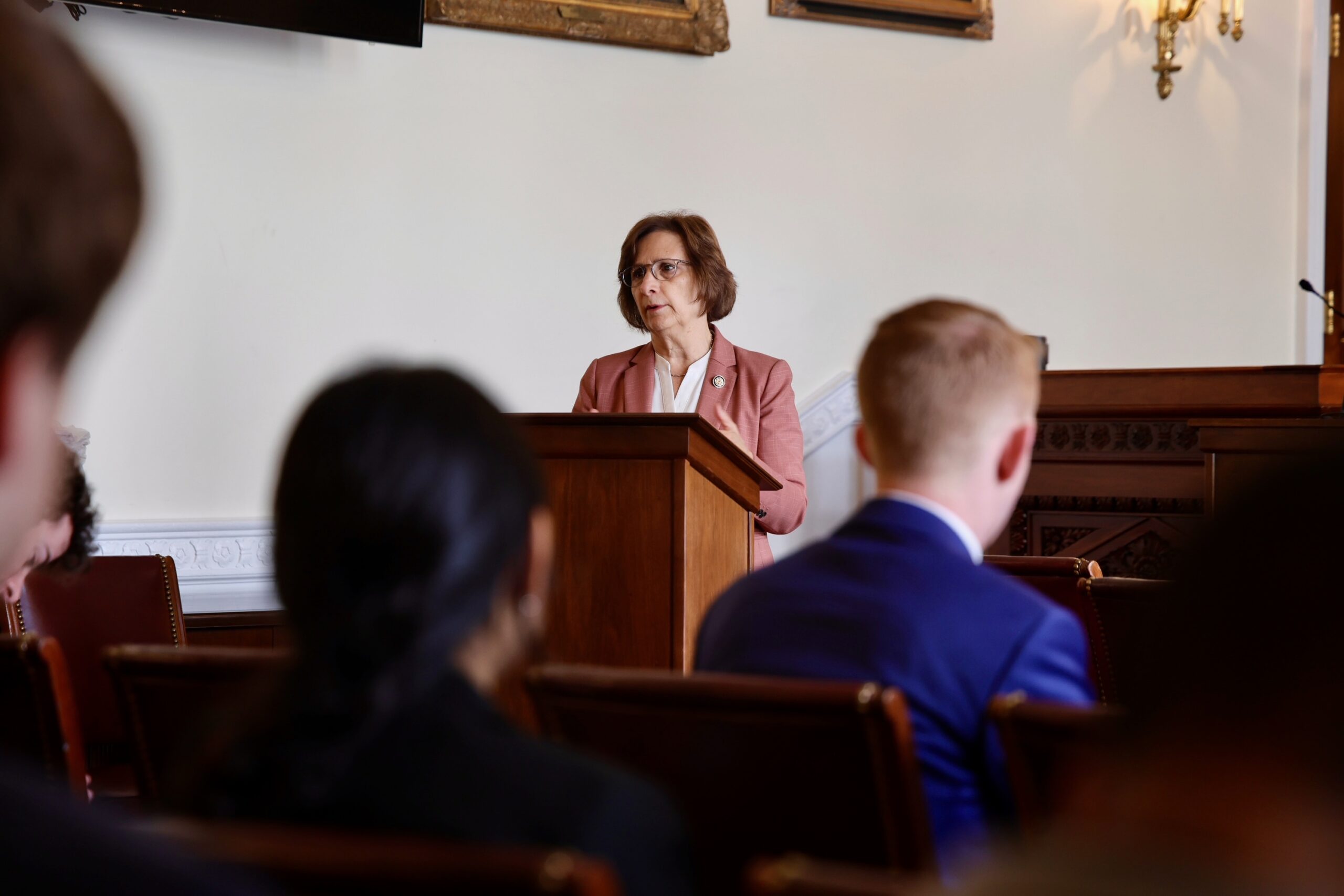
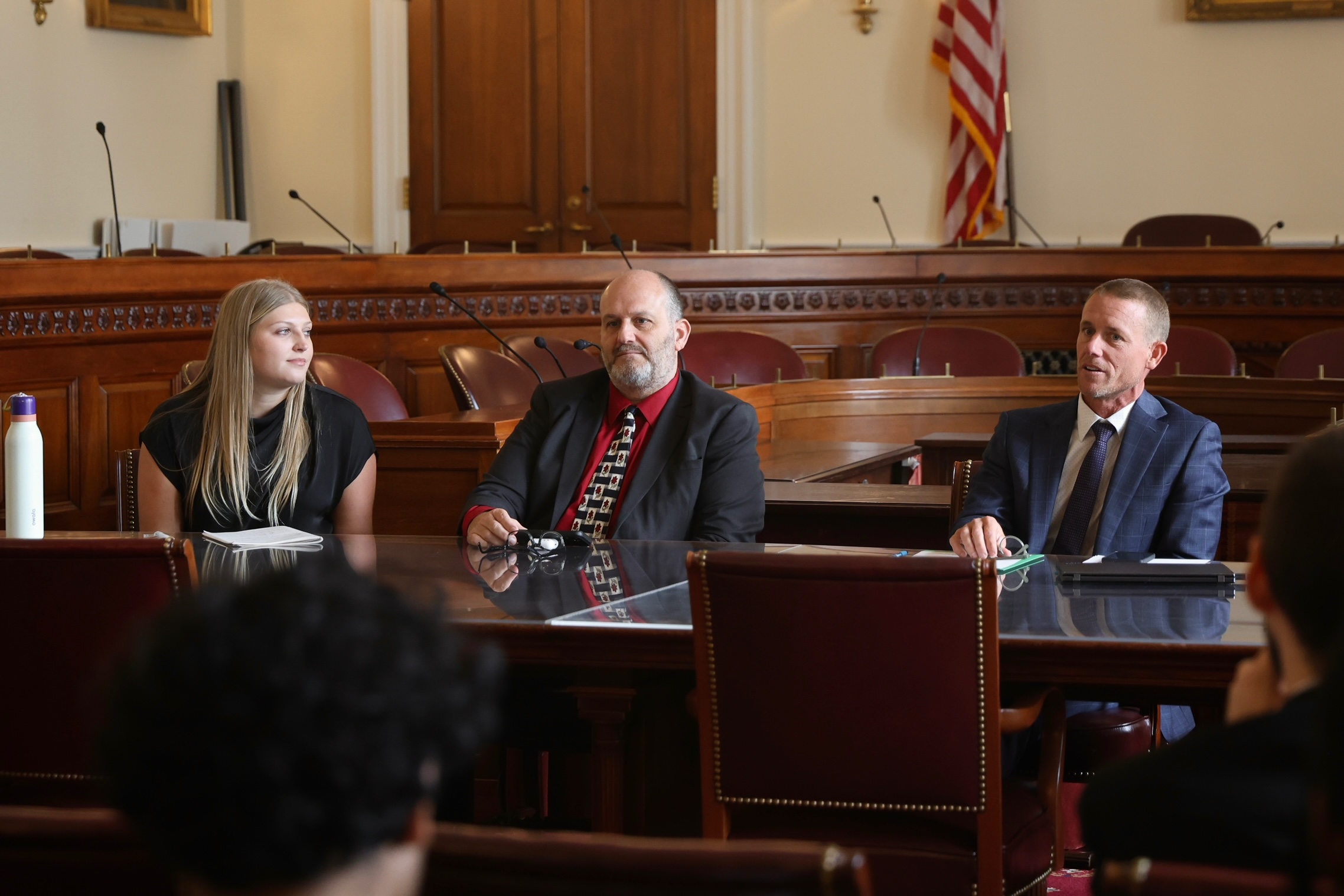
The event brought together Rep. Suzanne Bonamici (D-OR), House CTE Caucus Co-Chair, Dr. Cameron Sublett of the Foundation for California Community Colleges, and Michael Tinsley, Assistant Vice Chancellor for Student Success & Strategic Partnerships at the Tennessee Board of Regents for a discussion led by ACTE’s Abigail Owen and Advance CTE’s Rob Young.
Dr. Sublett and Tinsley are also part of CTE Futures, an ECMC Foundation-funded initiative that helps CTE programs prepare learners to thrive amid accelerating technological change, and serves as home to the Perkins READI AI Faculty Fellowship.
The conversation ranged from the history of AI and CTE to practical realities facing instructors and students today. Here are three takeaways from the panelists’ comments for policymakers, educators, and industry partners.
1. Today’s AI is the least capable it will ever be, and that’s a reason to lean in
Technology rarely stays in its original form. The internet started as a way to send email and load simple pages; today it runs commerce, entertainment, and most of daily life. Dr. Sublett, in his presentation on the Applied Co-Intelligence report, put it simply, “the AI we know today, will look nothing like the AI of tomorrow.”
It’s crucial that AI be developed thoughtfully. Dr. Sublett made the case for “ergonomic AI”, or AI built expressly for the human user. He expanded on that idea using the power drill as an example. The drill doesn’t replace a carpenter, it makes the carpenter more efficient. Over time, the drill itself has been refined so it fits naturally in a human hand, adding precision and power rather than working against the person holding it. AI tools can follow the same path. They don’t have to replace the people doing the work, but can be refined over time to fit naturally into how people actually do their jobs, making them faster, more precise, more capable.
That doesn’t mean technical skills fade into the background. As Dr. Sublett said during the briefing, “You can’t entirely AI your way through electrical work on a house… yet.”
Right now, jobs that typically require a four-year degree show the highest levels of AI exposure, while many hands-on CTE fields haven’t seen the same level of disruption yet. But as AI continues to be embedded in fields like healthcare and manufacturing, it is increasingly important for technical skills and employability skills, like critical thinking, ethical reasoning, and empathy, to be developed alongside AI mastery.
That means building AI directly into existing coursework and hands-on training, not tacking on a one-off AI elective, so students learn the tools in the context of the work itself. The CTE programs that build this in now are the ones whose graduates will be ready for what’s next.
2. Look past the “big four” — the real AI universe is industry-specific
Most conversations about AI start and end with a handful of household names like ChatGPT, Gemini, Claude, and Copilot. But panelists agreed that’s a narrow slice of what’s actually reshaping the workforce.
Most CTE fields have their own industry-specific AI tools that workers engage with every day, and using them well is far more complicated than knowing how to prompt ChatGPT. It requires the technical understanding of one’s field, along with the critical thinking and AI mastery to push back when a tool’s output is inaccurate or biased.
Tinsley emphasized that AI has become increasingly embedded across the workforce, often without people realizing it. In healthcare, for example, AI is integrated into diagnostics, clinical documentation, patient monitoring, scheduling, and numerous other functions. Similar transformations are occurring across agriculture, construction, manufacturing, logistics, and countless other industries, where AI-powered tools are becoming standard components of everyday work rather than standalone technologies.
He also noted that the defining workforce question is no longer whether an occupation is affected by AI, but whether workers possess the knowledge and skills to effectively evaluate and utilize AI within their profession.
As a result, CTE programs must prepare learners with three complementary competencies: industry-specific technical expertise; durable human skills such as critical thinking, communication, ethics, and adaptability that AI cannot replace; and AI mastery with the enabled tools and technologies that are transforming their chosen career fields.
3. Policy needs to be human-centered and flexible enough to keep up
Dr. Sublett drew a useful historical parallel to the early days of online learning. Back then, fear that online courses would be the end of education as we knew it crowded out the harder work of figuring out what quality actually looked like. Some early programs were excellent, others were not, and students would have been better served if that difference had been named early, with resources put behind what worked rather than treating the whole category as either a miracle or a threat.
Dr. Sublett’s advice for AI in education follows the same logic. His advice is three-pronged: demystify the technology without downplaying risks, define what high-quality AI-integrated learning looks like, and focus on developing AI tools responsibly, in a way that’s aligned with human interest.
Rep. Bonamici’s remarks picked up that same thread from the policy side. She talked about a forthcoming framework meant to keep AI policy human-centered and focused on students, access, and real workforce needs. She also emphasized the need to provide more support for teachers, including shared curricula, hands-on learning, and AI literacy training.
Tinsley highlighted the importance of maintaining flexibility at both the federal and state levels to support continued innovation of AI in CTE. He pointed to the Office of Management and Budget’s proposed revisions to the Uniform Grant Guidance (2 CFR Part 200) as a watch item for the field, noting that while the goal of reducing burden on states is a good one, some of the proposed changes could make it harder, not easier, for CTE programs to move quickly.
Drawing on his experience as a state higher education leader, Tinsley noted that the flexibility afforded by current federal and state policies has enabled colleges, faculty, and local leaders to develop innovative programs and strong partnerships with business and industry. Preserving that flexibility will allow institutions to continue responding to emerging technologies, strengthening local economies, and preparing students for the rapidly evolving workforce.
On this point, ACTE and Advance CTE have submitted joint comments on the proposal, one of nearly 500,000 received that OMB will need to review before finalizing the rule. Implementation is currently proposed for October 1, 2026.
The briefing concluded with an optimistic message: AI presents an extraordinary opportunity for career and technical education. Success will be driven by readiness rather than hesitation.
As AI technologies continue to evolve and new tools emerge, institutions and policymakers that invest in innovation, collaboration, and learner-centered strategies today will be best positioned to prepare students, faculty, and employers for the opportunities of tomorrow.
The full research behind the briefing is available in the Applied Co-Intelligence: Preparing Career & Technical Education Learners for an AI-Driven Workforce report, released in February 2026.