
Smart Strategies for Teacher Stress Relief

Some stress motivates, pushing teachers to take on challenges and improve. Other stress drains, leaving educators exhausted at the end of the day. The key is learning to tell the difference.

There’s the good kind: eustress, the steam engine that drives momentum. It fuels creativity, sharpens focus and turns challenges into opportunities. Then there’s distress, the pressure cooker that builds until it breaks. The difference between the two is thin, and without the right support, what starts as motivating pressure can quickly become overwhelming.

Teachers face increasing demands, yet many feel shut out of key decisions that shape their daily work. Without trust and meaningful support, stress turns from a source of energy into a force of exhaustion. Addressing burnout isn’t just about recognizing stress. It’s about strengthening support systems to ensure that educators can sustain their work without sacrificing well-being.

Scorched by the system

Stress isn’t always the enemy. In fact, it can be a powerful ally. That energy kicks in when a creative lesson plan works, or a student has a breakthrough moment. But a challenge that sparks motivation can just as quickly spiral out of control.

Imagine, for example, you just got offered an exciting new opportunity as a department chair in your division. That moment of eustress could quickly turn into an overwhelming burden when paired with endless meetings and limited resources. Emotional labor and administrative pressures only add to the strain, making burnout an all-too-common reality.

Burnout isn’t just about workload. Research shows that a lack of autonomy and involvement in decision-making, job satisfaction declines and teacher stress increases (Skaalvik & Skaalvik, 2014). When curriculum changes, policy shifts and schoolwide initiatives are implemented without meaningful teacher input, morale declines. And challenges begin to feel more like obstacles than opportunities.

The ripple effects of burnout

Administrators are juggling their own set of pressures — state mandates, standardized testing and district expectations — often leaving them feeling stuck. But in the process, a gap forms. An educator who once felt fired up about their work can burn out.

Burnout impacts the learning experience. When educators operate in survival mode, creativity and connection suffer. The effects ripple beyond individual teachers, weakening entire school systems. When educators leave, stability crumbles, and student learning takes a hit.

Research shows that frequent turnover hinders achievement, especially in marginalized communities where consistency matters most (Ronfeldt et al., 2013). Meanwhile, districts scramble to recruit and train replacements, draining budgets and stretching resources even thinner.

Turning the tide on teacher stress

With the right balance of autonomy, clear goals and a sense of purpose, burnout can be managed. Teachers who reclaim ownership over their work are better positioned to sustain motivation. Small wins matter.

Set realistic goals.

Collaborate with peers.

Identify ways to innovate.

Administrators play a huge role in shaping a school culture that fuels teachers. Prioritize open communication and cut out unnecessary stressors. Regular check-ins and collaborative planning aren’t just nice gestures. They can help ensure that policies actually make sense in the classroom.

Peer support is just as important. Mentorship programs and teacher networks provide a space to swap strategies, troubleshoot challenges and remind each other they’re not in this alone.

Create space for teachers to recharge. That could mean a quiet place to breathe, structured breaks or simply fewer meetings. Protecting prep time gives teachers what they really need: the ability to focus on their students without the weight of avoidable distractions.

Conclusion

When teachers feel heard and supported, they stay engaged. Schools that prioritize teacher well-being create an environment where motivation thrives, benefiting both educators and students.

The process starts small. Celebrate the wins — big or small. Did you make it through a tough week? That’s a win. Align daily tasks with long-term goals. Focus on the moments that matter. Teaching will always come with stress, but it doesn’t have to come with burnout. When schools foster open communication, reduce unnecessary burdens, and build trust, educators can thrive.


Dalia Haitayan, Ph.D., is research director at IMAGO.

Edgar Blunt is chief executive and co-founder of IMAGO.

Read more in Techniques.

Empower a New Generation of Energy Pros

The energy industry is at a pivotal moment, seeking skilled workers to power our future. CTE programs offer a critical pathway to connect students with careers in this vital sector, and strategic partnerships are helping educators bridge classroom learning with real-world experience. Together we can empower the next generation to meet workforce challenges.

Energy powers our lives, our communities and our economy — making the energy industry a critical driver of future progress. And the demand for skilled workers has never been higher. In fact, wind turbine service technicians and solar photovoltaic installers top the list of fastest growing occupations from the U.S. Department of Labor’s Bureau of Labor Statistics.

The energy industry has an opportunity to connect students to vital careers. The solution lies in meeting learners where they are and giving educators the resources to understand, adopt and engage in modern energy curricula. Career and technical education (CTE) can help students prepare for careers in energy.

Why energy curricula is critical

The energy landscape is changing. Renewable energy sources like hydropower and solar are expanding in scope and capacity, and demand for power is increased overall. These are just two examples. The workforce needs to be proficient in emerging technologies that will shape our future.

The energy industry faces labor shortages, a retiring workforce and a skills gap in key knowledge areas. Utilities and renewable energy providers are challenged to “secure a larger workforce, develop digital and project development skills, and hire for completely new roles as they diversify their renewable portfolios” (Motyka et al., 2024). Educators and industry partners must work together to raise the visibility of energy careers and provide specialized learning experiences so that students can rise to the challenge.

How the energy industry supports educators

The energy industry recognizes the urgency of filling historic hiring demands and is taking on major collaboration initiatives to help educators. The Center for Energy Workforce Development (CEWD), a national neutral energy workforce nonprofit, is a longtime leader and convener of the industry to ensure a skilled, diverse workforce pipeline. The organization develops curricula, shares resources and pushes career awareness initiatives — like Get Into Energy and Troops to Energy Jobs — to help students and career changers navigate pathways into the industry.

At the heart of CEWD’s educator programming is a deep understanding of core competency standards within the energy industry. Content standards are available as road maps to support primary, secondary and postsecondary learning, meeting students at every level with age-appropriate content. Developed by CEWD and a diverse group of subject matter experts, the national frameworks and corresponding competencies aim to support curriculum development nationwide.

CEWD also offers a robust curriculum called Energy Industry Fundamentals (EIF) 2.0. This equips educators with tools to teach energy pathways for high school learners and beyond. The free virtual course offers 120 hours of instruction and comes complete with labs, interactive exercises, pacing guides, and lesson plans to connect students with foundational knowledge of the industry.

Connecting with educators through partnerships

Strategic partnerships connecting educators to the energy industry can bridge the gap between classroom learning and real-world application. These relationships pave the way to enable students’ access to relevant, updated education. The importance of seizing opportunities to work together cannot be overstated.

Career and technical student organizations serve as channels to foster collaboration between industry leaders, educators and students. The National Council for Agricultural Education has been another strong partner to CEWD, providing thought leadership and counseling on how to best support educators. Through national and local events, these organizations and others provide platforms for students to showcase their skills in energy-related competitions, while also offering professional development opportunities for educators. Educators gain insights into industry trends and learn more about available careers in all sectors. By increasing career visibility in these ways, we can help ensure that content remains current and effective.

Beyond these nationally driven partnerships, direct collaboration between energy companies and educational institutions is essential. Companies can offer workshops, seminars and training sessions for educators, providing them with access to industry experts and cutting-edge technologies. These initiatives enhance educators’ knowledge and equip them with practical tools and resources to incorporate into their curricula.

Join the energy evolution!

Help cultivate the skilled workforce we so urgently need. The careers are rewarding, and innovation knows no bounds. Truly, the potential is limitless — and you get to guide your students here. We’re just getting started. By prioritizing and investing in comprehensive energy education, we can lay the foundation for a resilient future. We can empower the next generation to power our lives, communities and economy for decades to come.


Kristie Kelley serves as the director of workforce development at the Center for Energy Workforce Development.

Read more in Techniques.

Design Wraparound Services To Support Student Success

Technical and vocational education and training (TVET), otherwise known as career and technical education (CTE), serves as the foundation of any thriving economy. No nation has achieved sustainable development without investing in the skills of its workforce and ensuring their productive engagement. The progression of economic growth is directly dependent on the technical capabilities of the labor force. History has demonstrated that even resource-scarce countries like Singapore have transformed into global economic leaders by prioritizing continuous advancements in their TVET/CTE systems.

This underscores the critical role of CTE in national development.

I had the privilege of entering this field at the onset of my professional career. And I have worked extensively with international workforce development organizations. These experiences have provided me with deep insights into technical training systems, their socioeconomic impact and their role in shaping economies.

In my pursuit of an ideal TVET/CTE system capable of addressing the needs of society, I was fortunate to explore successful models implemented in countries like Japan, Singapore, Finland, Sweden, Germany and the United States. Institutions like the Institute of Technical Education (Singapore), Omnia (Finland) and Bunka Fashion College (Japan) have set remarkable benchmarks. And while many TVET/CTE frameworks demonstrate success, I sense a persistent gap often exists between policy planning and on-the-ground implementation. This gap is particularly evident in countries like my own, Pakistan, where even the most dedicated efforts often fall short of achieving their intended outcomes.

The primary goal of any technical training system is to equip individuals with the skills necessary to secure sustainable livelihoods.

Support CTE students with wraparound services.

Many societies acknowledge the need for skill development but hesitate to address the underlying issues faced by trainees. Some attempts to mitigate these barriers have included financial aid, like stipends for transportation and tuition support. This approach has yielded positive results in many cases. But it often fails to account for the diverse and complex needs of individuals.

A one-size-fits-all solution risks excluding those who require more tailored support, leading to inefficiencies and wasted resources. A more effective approach is needed — one that ensures TVET/CTE programs are accessible while also addressing the barriers that prevent successful participation. The question then arises: How can we achieve this goal?

The answer lies in adopting a more holistic and individualized approach to student support. This realization crystallized for me upon discovering the Illinois Works Pre-Apprenticeship Program (ILWPP) and its innovative concept of wraparound services. This model represents a paradigm shift in addressing the systemic gaps I have observed.

Address learners’ individual needs.

Wraparound services go beyond traditional stipends and tuition reimbursements. They involve a comprehensive assessment of each student’s circumstances to identify and address the specific barriers they face. Training institutions are tasked with evaluating applicants not only for their suitability for the program but also for their ability to overcome personal challenges.

Once admitted, candidates receive tailored support to resolve issues such as transportation, child care or housing, ensuring they can fully commit to their training. The ILWPP model also extends its benefits beyond training completion. To facilitate employment, the state offers incentives like bid credits to companies that hire program graduates. This creates a win-win scenario, encouraging private sector participation while ensuring that graduates transition smoothly into the workforce.

The ILWPP exemplifies a comprehensive TVET/CTE system that addresses both individual and systemic challenges, paving the way for economic growth.

Key principles of the wraparound services model include:

  1. Individualized needs assessment: Before enrollment, training institutes assess each candidate’s needs and discuss how challenges may affect their ability to complete training.
  2. Comprehensive support system: Support may extend beyond stipends and tuition reimbursement to include transportation, child care, mental health services or other necessary interventions.
  3. Institutional responsibility: Training providers must ensure that admitted individuals receive the necessary support to successfully complete their training and transition into sustainable employment.
  4. Employer incentives: The ILWPP offers incentives for businesses that hire program graduates, ensuring long-term workforce integration.

Conclusion

A holistic approach can lead to tangible and lasting benefits for individuals and society at large. Educators and community leaders can bridge the gap between education and the workforce, ultimately fostering economic growth and social mobility. The ILWPP’s integration of wraparound services presents a compelling case for rethinking how TVET/CTE programs are structured.

This model prioritizes long-term success by addressing the unique challenges faced by trainees. If widely implemented, such an approach could revolutionize CTE.


Muhammad Tayyab Mir is a certified TVET leader with many years of experience in career and technical education globally. He currently works as a fund.raising specialist at RR Trade School in Illinois, U.S.. Previously, Mir served as principal and project manager at the Pakistan Knitwear Training Institute in Lahore, Pakistan.

Read more in Techniques.

8 Tips for Creating Digital Learning Experiences

By Steve Southwick, Savvas Learning Company

Career and technical education (CTE) serves as a vital link between classroom learning and career readiness, helping students develop skills earlier in their education journey and more clearly define their post-high school pathways. A recent national survey by Savvas Learning Company found that 75% of educators reported CTE programs as their top choice in helping students be successful after high school.

Thoughtful technology integration can lead to more meaningful learning outcomes. By implementing intentional strategies and avoiding common pitfalls, CTE educators and administrators can maximize the impact of digital learning, helping students develop the technical and workplace skills they need for long-term success.

1. Start with a clear understanding of program goals and student needs.

Before selecting any digital tools, define what competencies students should learn and understand how technology can address specific needs. Digital solutions should align with — not dictate — well-defined learning outcomes. Consider what skills students need for both technical proficiency and career readiness. Your digital CTE foundation should include optionality, access, scaffolded instruction and built-in support to ensure all students can succeed.

2. Embrace blended learning models.

Effective digital learning programs combine online and hands-on instruction. This model allows students to work independently on computers, whether at home or in the classroom, while also engaging in practical activities that reinforce technical skills.

Provide clear guidance for transitioning between environments. Establish consistent workflows, and design assessment strategies that evaluate both knowledge and application. This balanced approach better prepares students for modern workplace environments where digital and physical tasks are increasingly integrated.

3. Ensure seamless technical integration.

Integration with existing systems is essential for program success. Prioritize solutions that provide single sign-on capabilities, enable easy assignment management and support differentiated instruction. Teachers should be able to focus on instruction rather than troubleshooting technology.

4. Keep digital curriculum relevant and responsive.

One of the digital medium’s greatest advantages is its ability to rapidly adapt to emerging careers and changing industry practices. Evaluate digital CTE offerings against The National Career Clusters Framework (Advance CTE, 2024), focusing on how technology-enhanced learning can support high-growth fields like artificial intelligence, robotics and health care. This responsiveness allows schools to quickly address evolving workforce demands and student interests.

5. Choose digital learning tools that reflect workplace realities.

Select solutions that mirror current industry practices rather than simplified educational versions. CTE tools should simulate real-world scenarios and provide authentic workplace project experiences. Avoid common pitfalls like over-reliance on gamification at the expense of real-world applications or choosing overly complex platforms that burden teachers.

6. Integrate certification preparation throughout curriculum.

Embed industry certification requirements and standards directly into coursework. When digital curriculum aligns with certification objectives, students can learn everything they need to excel on certification exams. Then they can gradu.ate high school with meaningful credentials that employers recognize, immediately enhancing their job prospects. Look for digital solutions that prepare students for certifications in high-demand areas like drone piloting, social media marketing, cybersecurity and entrepreneurship.

7. Build engagement through interactive experiences.

Digital learning works best when it feels hands-on, even in a virtual setting. Scenario-based learning that simulates workplace challenges helps students apply concepts in realistic contexts, and the assignments often echo industry deliverables. Furthermore, self-paced learning paths can accommodate a range of student needs while still meeting course benchmarks.

8. Invest heavily in educator support.

One of the biggest barriers to successful digital CTE implementation is the lack of adequate educator training and support. Schools should prioritize ongoing professional development opportunities tailored specifically to CTE contexts, mentorship programs that connect experienced and new teachers, and regular opportunities to share best practices.

Conclusion

The goal isn’t merely to digitize existing content, but to create learning experiences that prepare students for lifelong success. In a world where many of our students’ jobs haven’t been created yet, CTE must strive to prepare adaptable learners who are equipped to navigate continuous change. When thoughtfully implemented, digital CTE doesn’t just teach students about careers. It helps develop their professional trajectory and cultivates the resilience needed to thrive in a rapidly evolving economy.


Steve Southwick is the director of CTE product management at Savvas Learning Company, where he leads the development of research-based programs that are designed to engage and prepare students for post-high school success and future-focused careers. He was previously the founder and chief executive officer of digital CTE curriculum publisher Pointful Education, which was acquired by Savvas in 2024.

Read more in Techniques.

Revisit ACTE’s NPS 2025 in Techniques

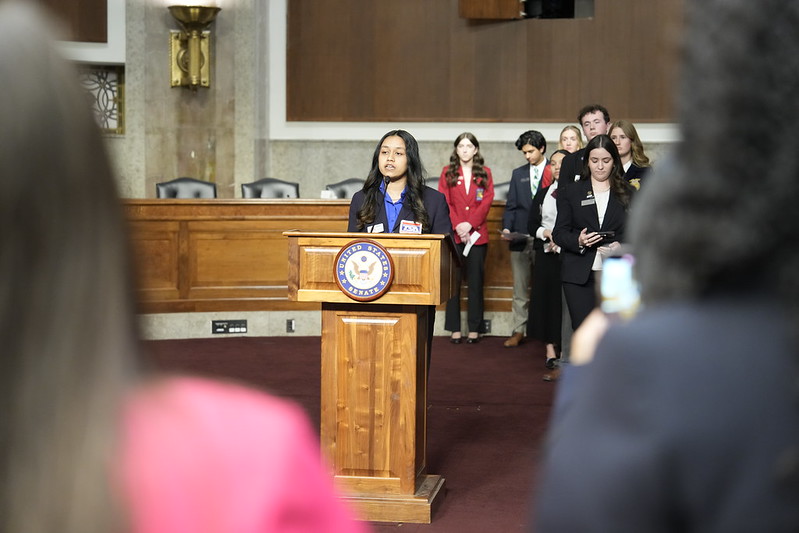
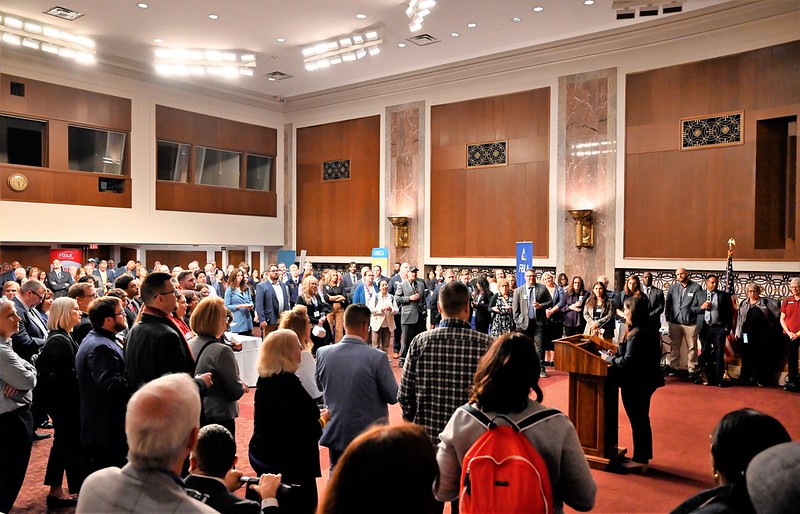
The Association for Career and Technical Education® (ACTE®) welcomed members and partners to our annual National Policy Seminar (NPS), March 16–19, 2025, in Arlington, Virginia. The event included educational sessions, panel discussions, and collaboration to support attendees in their advocacy work and to build their understanding of legislation that affects their work in career and technical education (CTE). The seminar also featured a special focus on apprenticeships, and everyone enjoyed a reception on Capitol Hill that featured eight career and technical student organizations (CTSOs).

ACTE staff kicked off the seminar by hosting a First Timers’ Q&A session. Attendees discussed current legislative issues, how to navigate Capitol Hill, and what to expect when meeting with Members of Congress and their staff.


Event highlights

  • On Monday, keynote speaker Melanie Zanona shared some of her experiences as a Capitol Hill news correspondent, including her insights into the current political climate and how to navigate advocacy for bipartisan issues like CTE. Her accounts from Capitol Hill helped to set the stage for the event as attendees began to prepare for their own visits with Members of Congress.
  • Attendees then participated in several general sessions to help them gain a deeper understanding of federal funding policies, the impact of the Administration’s activities and priorities, using public polling as an advo.cacy tool, and ACTE’s legislative priorities.
  • On Tuesday, a panel of congressional staffers addressed the gathered crowd. These staff provided experienced insight into current policy discussions and shared how to advocate for CTE in the current political environment.
  • Then attendees ventured out into the halls of Congress to attend meetings they had scheduled with their policy.makers’ offices to discuss current legislation and funding priorities critical to supporting high-quality CTE.
  • Attendees discussed potential improvements to Perkins legislation, as ACTE prepares for a possible reauthorization.


To conclude a long day of advocacy

ACTE hosted a reception on Capitol Hill! This was held in conjunction with the Senate CTE Caucus. And sponsored by the National Association of Home Builders (NAHB) and zSpace. NPS attendees, Hill staff and other community members enjoyed refreshments, networked, and learned more about eight CTSOs:

  • Business Professionals of America (BPA)
  • DECA
  • Family, Career and Community Leaders of America (FCCLA)
  • Future Business Leaders of America (FBLA)
  • HOSA – Future Health Professionals
  • National FFA Organization
  • SkillsUSA
  • Technology Student Association (TSA)


On the final day of NPS 2025

Attendees participated in several sessions focused on apprenticeships. Interest in this topic continues to increase among state and federal policymakers. These sessions included a panel on challenges and opportunities surrounding apprenticeship. The event shined a spotlight on the American Association of Community College’s Registered Apprenticeship Electric Vehicle HUB. That funded through a U.S. Department of Labor Apprenticeship Building America grant, and a final panel on high school pathways to support the apprenticeship pipeline. This special focus covered a range of topics and provided attendees with a unique learning opportunity.


Hannah Richards is ACTE’s advocacy and media coordinator.

Save the date for NPS 2026, March 22–25.

# # # # # #