Spotlight on Student Voices: Scaling Success

This article appears in Techniques as part of a new spotlight on student voices in CTE. Duncan Felch is a junior at Morris County School of Technology in Denville, New Jersey.

To change public perception, CTE programs must meet families where they are: on social media. Many programs use CTE Month® as a catalyst for digital storytelling, but advocacy must be a year-round endeavor. Video content is a powerful tool for communication and outreach. When a student posts a TikTok video or an Instagram Reel of themselves coding a robot or diagnosing a hybrid engine, an abstract concept begins to transform into an exciting reality.

Effective outreach also requires “data-driven advocacy.” According to ACTE in 2026, 97% of CTE high school students graduate, a rate significantly higher than the national average. By combining “cool” social media content with hard data, schools can prove that CTE is both engaging and academically rigorous. Moving forward, every school should view its educators as micro-influencers.

“I’ve Been Influenced!”

Instead of static flyers, teachers can use hashtags like #CTEInAction or #SkillsGapClosed to showcase daily wins. When a parent sees a local student mastering a high-tech skill on their Facebook feed, a barrier to enrollment diminishes.

Beyond individual school efforts, educators must leverage successful statewide models to create a united front. States like Delaware and Indiana have produced CTE branding toolkits that provide districts with professional templates and cohesive messaging. This systematic approach ensures the CTE “brand” can rival the prestige of elite university recruitment. By adopting a unified voice, states shift the narrative from “vocational training” to “career readiness.” This also helps to ensure that students in rural districts receive the same high-quality instruction as those in a major tech hub.

Winning Over the Skeptics

Furthermore, these initiatives can bridge the gap between education, industry and communities. When a state-level campaign features testimonials from CEOs alongside those of students, it validates the CTE pathway as a high-status choice in the eyes of policymakers and skeptical family members. Some skeptics view CTE as a mere collection of electives. However, this ignores the transformative power of career and technical student organizations.

Data has shown that CTE students often exceed expectations in these competitive arenas. Because their learning is rooted in application rather than rote memorization. CTSOs do not just teach technical skills; they demand rigorous policy work, public speaking and project management.

When a CTE student competes in a national robotics or medical event, they showcase technical skills. They also demonstrate a high level of proficiency in employability skills that employers strongly value. By leaning into these competitive successes, we prove that CTE students aren’t just keeping pace but that they are excelling in the competencies that matter most to employers.

Getting involved with advocacy organizations is extremely beneficial for the future of high-quality CTE.

As we celebrate 100 years of ACTE, we stand at a crossroads of public perception. The next century of CTE will not be defined solely by the machinery in our labs, but by the stories we tell about the students using them. By embracing digital advocacy, scaling proven statewide recruitment models, and leaning into the competitive excellence of CTSOs, we can ensure CTE is recognized as a pivotal component of American innovation. The tools have changed, and the classrooms have evolved; now it is time to ensure our message is just as cutting-edge as the skills we teach and learn.


Duncan Felch is a junior at Morris County School of Technology. He serves as a student ambassador with the New Jersey State Interscholastic Athletic Organization, recognizing him as a top leader statewide. Passionate about education and policy, he is the co-founder and CEO of the Teddy Bear Clinic, has been recognized as a JerseyCAN fellow in education advocacy, and captains the cross country and basketball teams. Felch currently serves as an administrative intern and plans to pursue a degree in educational administration to impact federal policy.

Read more in Techniques.

Building a Sense of Purpose in CTE

In an era when workforce readiness, real-world skills and meaningful career exploration are more critical than ever, career and technical education stands as a powerful bridge between education and industry. Yet awareness remains a challenge.

Many still misunderstand the depth, rigor and transformative potential of CTE pathways.

That narrative is changing. At the 2026 Central California Builders Exchange (CCBE) Design Build Competition, CTE wasn’t explained but experienced. Hosted in partnership with the Fresno County Superintendent of Schools (FCSS) and Fresno ROP, and supported by more than 100 industry partners, the third annual Design Build Competition brought together students, educators and industry leaders for four immersive days at the Caruthers Fairgrounds in California’s Central Valley in March 2026. More than a competition, it served as a living demonstration of what happens when education and industry align with purpose.

What makes this event especially powerful is how it started. After visiting the Construction Industry Education Foundation’s Northern California Design Build, CCBE and FCSS leaders saw an opportunity, and they brought it home in 2024. With just seven teams, the first builds took shape in a parking lot. But what started small quickly evolved.

In 2025, the event expanded beyond construction to include welding, video production, medical, culinary and public services. By 2026, education, horticulture and automotive had joined in as well. This growth has transformed the Design Build Competition into a multi-pathway showcase of CTE in action.

What CTE Can Be

The scale tells part of the story. Twenty-seven welding teams fabricated fully functional 8’x5′ utility trailers from raw materials. Twenty-three construction teams, each paired with an industry coach, built 8’x12′ sheds from a stack of lumber. Twenty-one education pathway teams designed and delivered career exploration lessons to more than 100 third graders.

Horticulture and floral students, coached by Elite Private Landscape, brought a different kind of build to life, designing and installing landscape improvements across the fairgrounds. Their work highlighted the breadth of careers within the field, from estimating and design to project management.

Automotive students competed in the Fresno City College PicoScope Challenge, navigating real-world diagnostics and customer service scenarios. Medical students provided on-site care, while criminal justice students coordinated construction inspections from the Fresno ROP mobile dispatching headquarters, demonstrating how these skills translate across industries.

Meanwhile, 21 video production teams documented the event in real time, capturing stories as they unfolded. Culinary students served an average of 750 meals a day, and public services students managed security, parking and event operations.

Together, they created something unique: a fully functioning student-led ecosystem where every pathway mattered and every role connected. This represents the most powerful impact of the Design Build Competition: its visibility. The evidence of students’ work wasn’t confined to classrooms. Educators, industry partners and community members had a front-row seat to what CTE truly looks like in practice.

Work That Outlasts the Event

This event created something meaningful for everyone involved. Industry professionals stood alongside CTE students throughout the day, working through builds, navigating challenges and making decisions in real time. Their presence sent a clear message: This work matters, and there are real careers waiting on the other side.

On-site at Caruthers Fairgrounds, companies were collaborators, not just sponsors, working side by side with students and educators and aligned around a shared purpose: investing in the next generation. In a hands-on, high-stakes environment, industry partners built credibility through action. They saw one another problem-solve, lead and deliver. They built trust, alignment and relationships that will serve them far beyond the event.

When communities come together around shared value — supporting young people and investing in workforce development — they can create a network rooted in purpose.

A Pipeline in Motion

Perhaps the most compelling evidence of impact is in the stories of the students who come back. More than five students from previous years have returned, not as competitors, but as emerging professionals. Jennifer Alvarez, a fourth-period apprentice with the North Coast States Carpenters Union, stepped in as a construction design-build coach, mentoring students who stood where she did just two years ago as a Men-dota High School student. Alvarez, now with Dragados Flatiron Joint Venture, is working under a foreman who knows her story well — Rhonda Ripley, her Design Build coach two years prior. Two others returned as pre-apprentices with ValleyBuild — advancing in career pathways that began at the Design Build Competition.

These stories show that the experience doesn’t end when the event does. Relationships, skills and opportunities continue to grow.

During marketing interviews, three students were offered jobs on the spot, with immediate guidance for next steps. Their faces reflected surprise, pride and the quiet realization that this wasn’t practice anymore. These moments don’t fade. They grow each year. And new stories are still unfolding. This is what happens when education and industry come together with purpose, collaboration and shared investment.

Innovation Across Career Pathways

Construction may be the most visible part of the Design Build Competition, but it is only one part of the larger picture. The FCC PicoScope Challenge pushed automotive students into new territory as they worked alongside professionals from 12 local automotive shops and the Central California Diagnostic Club. Sig-nature Detailing, and Olmy Creations coached students through vehicle wrapping, detailing and advanced diagnostics, including real customer interactions. It offered a window into the evolving range of careers in the automotive industry.

Across the grounds, video production students — coached by Emmy-winning ABC30 News Anchor Jessica Harrington, Community Media Access Collaborative, Horn Photo and other media partners — functioned as embedded journalists. Moving from pathway to pathway, they captured all of the energy, setbacks and breakthroughs as they happened. Their work didn’t just document the day; it told the story of CTE to a broader audience across Central California.

Why This Matters Now

As industries across the country face workforce shortages and skills gaps, the need for strong, visible and effective CTE programs has never been greater. Events like the Design Build Competition do more than showcase student talent. They have the power to redefine education — when aligned with real-world needs. They demonstrate that, when given tools, mentorship, and opportunity, students are capable of far more than is often expected.

They also highlight the essential role of partnerships. None of this work happens in isolation. It requires educators willing to innovate, industry partners willing to invest, and communities willing to support new learning models.

Looking Ahead

The impact of the Design Build Competition extends far beyond four days in March. It lives on in students who’ve discovered new passions and confidence, in industry partners who have invested, mentored, and reconnected with purpose, and in communities that continue to witness what’s possible when education moves beyond the classroom.

Most importantly, it lives on in a shifting perception: CTE is not an alternative path. It is essential. A pathway where students don’t just learn about the future, but they actively build it. The Design Build Competition is no longer just an event. It is a model — dynamic, evolving and deeply connected to industry — that demonstrates how education and workforce can come together to create opportunity, relevance and lasting impact at scale.


ACKNOWLEDGMENTS

Special thank-you to Central California Builders Exchange, Construction Industry Education Foundation, the Design Build Steering Committee (Derek Land, Erich Klemme, Tim Herzog, Cyndi Cantu, Tracy “The Hatchet” Taylor, Miguel Uribe, Sandy West), Caruthers District Fair Board, Caruthers High School, Caruthers Lions Club, Fresno County Superintendent of Schools, and all of the industry partners who mentored, judged and donated in-kind.


Michelle Wong is a CTE program coordinator with the Fresno County Superintendent of Schools.

Read more in Techniques.
Public Perceptions of CTE on the Rise

Perceptions of career and technical education are changing. At Butler Tech, in southwest Ohio, perceptions of CTE changed when students, families, and communities began seeing success in ways that were visible, credible, and sustainable. Our visitors arrive expecting to see students in classrooms. They leave having met emerging professionals.

To facilitate this shift, leaders intentionally focused on four key areas to ensure public perception matched what the students had already accomplished. Together, these efforts have helped reshape how students, families, business partners, and policymakers understand the role of CTE in preparing learners for careers, college, and lifelong advancement.

  1. Living the mission through shared norms
  2. Redefining success
  3. Elevating student voice, and
  4. Prioritizing access and high expectations across both high school and adult education.

Living the Mission Through Shared Norms

At Butler Tech, this approach is deliberate. A clear mission to “transform lives by making students career-ready and college-prepared” undergirds all decision-making. Rather than just a statement on the wall, the mission shapes how opportunities for students are created and delivered across programs and partnerships, and in everyday practice.

This mission is supported through a shared set of norms that guide instruction and campus culture. These expectations are visible across campuses and emphasize behaviors such as productive struggle, thoughtful collaboration and responsible risk-taking. Students and staff often begin meetings and classes with a reminder of the norms and a reflection on their role. These norms do not serve as rules but instead foster a common language for participation, communication and success.

Crucially, these norms align with the professional expectations and best practices of current industry environments. In time, the norms shape how students see themselves and how they interact with others. They learn to speak up, take responsibility for their work, collaborate across differences and persist through challenges. The staff models these expectations alongside students, reinforcing that professionalism is not something students learn later but something they practice every day. As a result, students begin to view themselves not just as students completing assignments but as individuals preparing for their next steps.

Redefining Success

This shift in how students experience learning also requires a redefinition of success. Traditional measures of school performance often emphasize standardized test scores, graduation rates and report cards. While these indicators can provide useful information, they do not fully capture the purpose or impact of CTE. For high school students and adult learners, success is less about time spent in the classroom and more about whether education supports meaningful next steps.

Recognizing this, Butler Tech leaders deliberately chose to define success in terms of student outcomes beyond program completion. Industry credentials, college credit attainment, workforce placement, wages and continued education became central indicators of effectiveness. These measures provide clear evidence that learning translates into opportunity, allowing students to see how their efforts connect to careers, further education and long-term stability. This reflects an “and then” mentality, where each accomplishment opens the door to the next opportunity.

Redefining success in this way also changes how career and technical education is understood by those outside the classroom. When such outcomes become the primary indicators of effectiveness, the conversation shifts from whether students completed a program to what they are prepared to do next. Families, business partners and community leaders begin to see CTE not as an alternative pathway, but as a direct route to opportunity.

Elevating Student Voice

For the evidence to influence perceptions of CTE, its success must be both visible and credible to all. One of the most effective ways Butler Tech accomplishes this is by placing students themselves at the center of public engagement. Students lead tours for legislators, business leaders, and visiting educators, explaining their work, demonstrating skills, and answering questions. High school students and adult learners alike represent the organization at the Ohio Statehouse, participate in policy discussions and engage with community members.

Their voices signal that CTE is professional development in progress.

Student voice is cultivated intentionally. Butler Tech maintains a secondary student ambassador program. These ambassadors play an important role in welcoming prospective students and families, sharing their experiences, and helping others envision their own pathways. Rather than simply promoting programs, they speak candidly about challenges, growth and opportunities, making the experience tangible and trustworthy for those considering enrollment.

Beyond the ambassador program, opportunities to present and reflect on learning are embedded across all secondary programs. Students participate in multiple public showcases each year, presenting projects and sharing what they have learned with their families, the staff and local business partners. These events reinforce accountability, communication skills and professionalism while making student growth visible to the broader community.

Butler Tech also employs students as paid interns within the organization. This practice reinforces the expectation that students contribute meaningful work while gaining professional experience across areas like marketing, information technology and operations.

Collectively, these experiences create a culture in which students are not passive recipients of education but active representatives of its impact. And the narrative surrounding CTE shifts. The message becomes less about programs and more about people, less about possibilities and more about demonstrated outcomes.

Prioritizing Access and High Expectations

Trust, however, depends on whether the outcomes reflect opportunities available to all students rather than only a select few. To ensure broad access, admission to Butler Tech programs begins with a lottery system instead of selective criteria. Students who are credit eligible may apply, meaning grades, attendance and disciplinary history do not determine who has the opportunity to be selected.

Consequently, demand consistently exceeds available seats, and programs regularly reach capacity. Students arrive with diverse academic histories, experiences and support needs, yet expectations remain consistent across programs. Butler Tech meets students where they are through advising, academic support and individualized services when needed. At the same time, students are expected to meet professional standards by earning industry credentials and/or college credit, completing authentic work and work-based learning activities, and participating fully in the learning environment.

Conclusion

When these elements come together consistently, the impact extends beyond the classroom. Graduates emerge confident, capable and prepared for what comes next, and perception shifts naturally. Families see possibility. Business partners see talent. Communities see a pathway that strengthens both individual lives and the regional workforce.

Public perceptions of CTE will not change through messaging alone but through sustained alignment between purpose and practice. When decision-making is mission-driven, when access is paired with high expectations, and when students are trusted to demonstrate what they can do, the narrative begins to change.

Reshaping perception requires building environments where success is visible, credible and sustainable. While each organization must adapt these strategies to suit their own context, the underlying principle is the same. When learners experience real opportunity and meaningful outcomes, trust follows. And students’ lives are transformed.


AJ Huff is the public relations coordinator at Butler Tech.

Nick Linberg is assistant superintendent at Butler Tech.

Joel Malin, Ph.D., is a professor of educational leadership and policy at Miami University in Oxford, Ohio.

Read more in Techniques.

A Fresh Take on CTE Teacher Induction

In the heat of late August, a woman in her mid-thirties stepped out of her car and onto a high school campus.  She was nervous but excited to leave what she considered a “safe” career in insurance for a new adventure as a CTE teacher. Fueled by a dedication to serve her community, this would-be new teacher saw a future for herself — making a difference.

But by the end of the following week, two days after the school year began, the teacher resigned. She returned to her former job with a new belief that she could never succeed as a teacher. What happened?

It may be easy to explain this story away: Teaching is hard. But the onslaught of confusion and stress, building construction, last-minute schedule changes, lack of administrative support, and disorganized communication tells a different story. A more common and more alarming story.

The Realities of Alternative Licensure

Robust CTE programming relies on industry experience to keep programming relevant, with welders, chefs, computer scientists, and industry professionals from countless other fields coming into the classroom to prepare students for family-sustaining careers. Approximately 75% of CTE teachers enter the classroom through alternative licensure pathways. Yet, across the country, we hear the same thing: Countless CTE direct-from-industry teachers exit the classroom within the first three years — before they’ve even truly hit their stride. And the school is left to find a replacement… again.

It takes an average of three years to reach proficiency as a teacher (Maready et al., 2021). And teacher turnover among those who followed alternative pathways to licensure is 10% higher than that of traditionally certificated teachers (Redding and Smith, 2016). This means that many CTE teachers never reach proficiency.

This revolving door is detrimental to CTE programming, resulting in lower student outcomes, program closures and disrupted student pathways. The pattern is also costly. Replacing a teacher costs an average of $20,000 (Carver-Thomas & Darling Hammond, 2019). In a climate of budget cuts, getting ahead of teacher turnover is critical. A recent Washington state study examined the correlation between induction (new-hire preparation and training) and retention for this hard-to-hire and harder-to-retrain group (L’Amour, 2024). This article translates these research findings into a leadership-focused blueprint for retention, putting the power in the hands of CTE leaders to disrupt this pattern.

Methodology

The quantitative case-control study, conducted as doctoral research through City University of Seattle, focused on the correlation between induction and retention of CTE teachers who entered the classroom through alternative certification pathways in Washington state. CTE teachers across multiple program pathways responded to a survey on their induction experience in five widely recognized categories: hiring, orientation, mentoring, professional learning and building support. Logistic regression was used to determine the extent to which these induction components, individually or collectively, can predict whether an industry professional will remain in the classroom.

Results

The logistic regression yielded the following results:

  • The collective components of induction significantly predict CTE teacher retention in Washington state.
  • The hiring, orientation and building support components of induction all significantly predict CTE teacher retention in Washington state on their own.
  • A deeper look into the building support category indicated that principal support with parent interactions and principal support with professional development activities beyond those required significantly predict CTE teacher retention in Washington state on their own.

So what does this mean? These results suggest that when offered as a comprehensive program, CTE teacher induction can be a powerful lever for retention. The results also suggest more specific takeaways within each induction component.

Hiring

Within the hiring component, the results indicate that the following conditions increase retention:

  • Advantageous scheduling
  • Common planning time
  • Individualized support with the hiring and certification process
  • Building tour and intentional welcome
  • Extra time and support to set up classrooms and labs
  • Preemptive supportive communication from building leadership

Orientation

The predictive power of CTE teachers’ orientation on retention speaks to the importance of providing a formal orientation, even if CTE teachers are hired after the beginning of the school year. In addition to receiving a formal orientation, alternatively licensed teachers also benefit from a differentiated model that accounts for their limited classroom experience and the specificity of their CTE roles.

Mentoring

The fact that mentoring did not predict retention on its own is consistent with national research on mentoring’s impact on retention. Seminal research on mentoring found that mentoring boosts retention when it’s part of a comprehensive induction system rather than a stand-alone support (Ingersoll, 2012).

Professional Learning

Washington state findings indicated that professional learning did not significantly predict the retention of CTE teachers. The results do not necessarily indicate that professional learning for this group lacks value but rather suggest that this component of induction will reduce turnover only when paired with other induction efforts.

Building Support

That building support yielded statistically significant results in predicting retention among direct-from-industry teachers is not surprising, given the extensive research on the impact of leadership on retention. The ad hoc results suggesting that specific actions by building administrators can support retention for this group, however, could inform leaders in prioritizing their support, given the ever-growing demands of their roles.


Implications for CTE Leadership

As a CTE leader, you can change the story. You can control the induction experience for your direct-from-industry hires. Take ownership of the process, and your investment will pay off in retention and program stability. What might these changes look like?

Immediate Actions

Start by strengthening what new teachers experience in their first days and weeks. These steps send a clear message: “You are not alone in figuring this out.”

  1. Audit your current induction. Ask: What do CTE teachers receive in terms of hiring support, orientation, mentoring, professional learning and building-level support? Where are the gaps?
  2. Designate a point person for new CTE teachers. Assign someone to proactively communicate with and support each new hire, including a warm welcome, regular check-ins, and help navigating building systems.
  3. Plan for mid-year hires. Ensure that teachers hired after the school year begins still receive structured onboarding: dedicated setup time, a building tour, classroom observations, and a support person present on their first day with students.
  4. Clarify the certification pathway. Provide a simple, visual road map of certification requirements and deadlines, so new CTE teachers are not left to decode the process on their own.

Longer-Term Systemic Shifts

Beyond quick wins, leaders can redesign systems so that induction becomes an embedded retention strategy.

  1. Build CTE-specific induction. Create an orientation strand just for CTE teachers that addresses labs and shops, safety, advisory committees, work-based learning, industry credentials, and professional ethics.
  2. Prioritize learning over extra duties. Avoid assigning year-one teachers to serve as CTSO advisors. Instead, protect direct-from-industry hires’ time and energy for mastering instruction, safety and classroom management.
  3. Invest in meaningful professional learning and networks. Allocate CTE funds so new teachers can join professional associations, attend CTE conferences and connect with peers in similar roles.
  4. Strengthen administrator capacity to support CTE. Provide targeted professional development for building leaders on CTE funding and compliance, running labs, adapting evaluation frameworks to CTE, and supporting teachers with parent communication and school culture.
  5. Use data to continuously improve. Track which induction components new teachers receive, gather feedback from current and exiting teachers, and connect these data to retention trends to refine your system over time.

When CTE leaders treat induction as a designed experience rather than a checklist, they create the conditions that keep industry experts in front of students and keep CTE programs strong and stable.

Conclusion

The research is clear. Administrators’ decisions about induction shape whether industry experts see teaching as a short detour or a long-term home, and the impact on your programming and your students’ pathways will be lasting. The question moving forward is not whether we can afford to invest in CTE-specific teacher induction initiatives, but whether we can afford not to.


Becca L’Amour, Ed.D., is an educator and a theater industry professional. She has provided direct instruction, coaching, and mentoring in classrooms spanning PreK–12 students to adults in CTE. Her home is in Washington state where she shares her expertise through L’Amour Educational Consulting.

Read more in Techniques.

Symposium-Style Professional Learning

Planning for and delivering high-quality professional learning in the world of career and technical education is an ever-evolving quest for relevancy. Quite often, CTE teachers are departments of one. And the curricular needs of a health sciences teacher are vastly different from those of the construction trades teacher. This renders content-based professional development — long said to be a nonnegotiable for instructional coaches — nearly impossible.

Delivering relevant and actionable professional learning for CTE teachers requires a shift from passive classroom observations to active coaching. With one foot in the world of education and the other foot in the shop, lab, or kitchen. These unique challenges demand a model that is prescriptive, subversive, and deliberate at the same time. It must provide clear, organized pathways for teachers who come to the table with the full spectrum of expertise and industry knowledge. While always centering teachers, great professional learning should be challenging, intention-ally calling into question the traditional, top-down structures, in an effort to empower the industry experts on staff.

Enter: The symposium style of professional learning

The symposium model of professional learning addresses these aims by offering a structured framework rooted in teacher choice. Rather than offering a universal session for all participants, a symposium schedule is differentiated yet prescriptive in its design. It guides educators toward specific sessions based on their current needs and levels of expertise. It values and reaffirms those seeking baseline content just as it does those who are ready for a challenge.

Instructional leaders tasked with delivering professional learning must share the belief that great leaders build great leaders. How then can we provide platforms for practicing instructors to emerge as leaders, guiding and coaching their peers around topics of interest?

A cornerstone of this model is honoring the time it takes to do the work of teaching. High-quality instruction requires immense planning. A teacher’s day starts well before students enter the classroom, and it certainly doesn’t end when they leave. Impactful instruction takes time on the couch at home and well after the streetlights turn on. This is why one of the most common, and relevant, criticisms of professional development is the lack of time and space for teachers to plan for the implementation of new ideas. The symposium model fixes this by providing dedicated time for teachers to create, plan, and revise tools like proficiency scales, backward unit plans, or tiered assessments, alongside their colleagues. This fosters an energized “here-to-learn” mindset, and a sense of collaborative grit begins to replace the fatigue.

By prioritizing efficiency and depth, CTE instructional leaders can challenge the status quo, burgeon new leaders and encourage teachers to do the work worth doing.

How to build a symposium

To build a successful symposium schedule, leaders must be deliberate and prescriptive, organizing the day into clear pathways that address the specific needs of their teachers. A sample schedule might consist of four sessions, two in the morning and two in the afternoon, always categorized by complexity and target audience. For instance, a morning session might include “Scaffolding vs. Tiering,” offering introductory pedagogical knowledge, as well as “Student-Drafted Proficiency Scales” for those teachers looking for a challenge.

When selecting session topics, effective options are those that are subversive, moving beyond pedagogical theory to facilitate actual in-class implementation. Recently, our best sessions included topics like “Proficiency Scale Revision,” “Student Learning Objective Drafting” and “Tiering Summative Assessments.” These sessions were successful because they provided that essential time and space for teachers to plan and implement instructional moves alongside their peers. Conversely, ineffective topics are those that are overly generic or fail to result in a tangible product, leaving teachers without the necessary time or support to plan for new strategies.

This structure ensures that while the day is highly organized, it remains teacher-driven with guided choices.

Administrators should lead sessions when the topic demands it, typically for high-level systemic alignment like our recent session called “Response to Intervention and Effective Co-Teaching.” However, because we always want to encourage leadership growth and development, most practical sessions should be led by those doing the work in the classroom. Leveraging the answers in the room on topics like “Embracing AI” or “Purposeful Movement” celebrates internal expertise.

Those planning symposium-style professional learning opportunities need to ask themselves, “Who will be doing the work in this session?” The answer to that question is then the person who should lead that session. In a Back-to-School symposium held in August 2025 in my district, an administrator led the session on legislative updates and changes to our attendance procedures, while a veteran teacher led the session on how to use student exemplars to prompt knowledge revision in a lab setting.

Why it works

Symposia cultivate a mindset centered on teacher choice and collaborative grit. By providing organized pathways, the model ensures teachers do not feel lost; instead, they navigate the learning process along-side their peers and within their instructional teams. This approach allows administrators to lead with action, demonstrating that high-quality instruction requires a de-liberate investment of time and resources.

Next, this model succeeds by honoring the time it takes to do the work of teaching. Traditional professional development often fails to provide the time and space required to move from theory to implementation. The symposium schedule specifically allocates time for teachers to complete planning or creation tasks such as revising proficiency scales or tiering summative assessments — all while instructional leaders are present to offer immediate coaching and support.

Finally, this model celebrates internal expertise, operating on the principle that the answers are in the room. The symposium allows instructional experts to emerge and lead sessions on timely and meaningful topics like using AI as an instructional tool, purposeful movement, and student self-assessment. Rather than seeking external solutions, this teacher-driven framework utilizes the specialized knowledge already present in the building.

Ultimately, the symposium model is an efficient delivery system for high-quality learning. By being prescriptive in its organization and subversive in its empowerment of staff, it fosters a building-wide ownership of the fact that teachers are the primary architects of student achievement. It proves that the faculty is capable, valuable and supported, putting the power of professional growth back into their hands.


Matt Griesinger is assistant principal of Career Tech at Northwest Education Services in Traverse City, Michigan.

Read more in Techniques.

A Word About Return on Investment

It wasn’t that long ago when I accepted my contract as a first-year educator for a small rural school. My first class had two students; our high school had 46 students in total. The community members’ doubtful words still ring in my ears. “Why did you come here? We’ll be closing in two years, so keep your resume fresh.” I would come to find out they had been saying those same things for the last 15 years and the school had managed to hold on. My story is more common around the country than we’d like to imagine, as rural communities are facing serious headwinds.

Rural communities face a shrinking workforce population. They are affected by poverty at rates disproportionate to those of urban communities, and many communities find limited services in health care and child care (Farrigan et al., 2024). Despite these concerns, the post-pandemic trends have indicated glimmers of hope that align with opportunities for career and technical education — in our schools, serving our communities.

A word about return on investment

Return on investment (ROI) can be seen as a dirty word in education. As educators we can see firsthand the fruits of our labors. We understand the investment of our time, and we experience the outcomes in the tears shed on graduation day or a thank-you note from an alum. Though these anecdotes are bucket-filling, and they express the power of connection and relationships in the learning journey, they can’t capture the full spectrum of CTE in rural education systems across the nation.

When analyzed and articulated through the lens of ROI, the true impact of rural CTE can be eye-opening. Calculating and modeling ROI at a local level can be done with some basic data metrics, a bit of budget information, and some reliable research to start. But some will still voice concerns.

A lack of communication and/or meaningful involvement community-wide can seed doubts and mistrust and fuel fear about the future of programs. Be intentional about addressing these concerns. Communicate clearly that ROI analysis is meant to showcase CTE program impacts rather than as an evaluative or punitive tool. Hopefully this will help clarify the purpose and provide a path for meaningful engagement from all parties.

The following case studies are hypothetical examples that were inspired by personal experience and examples from the field. They are meant to share approaches in how you could recreate such models for your local work.

The Community Impact of CTSOs

Our local CTSO programs provide numerous opportunities for students to engage in community service projects, service-learning and volunteer opportunities. National and state-level studies have valued those experiences for the community at $34.79 per volunteer hour (Independent Sector, 2025).

Using that value of $34.79 per hour, per volunteer, as our benefit in the model, next consider potential areas of investment. In a local school, this may include the CTSO sponsor stipend, if during the school day substitute rates may apply, or any transportation cost for a bus driver or fuel.

Now that we have the pieces, let’s look at an example. Golden Plains High School’s FBLA chapter volunteers each year with the local economic development board for their “Shop Local” campaign. Events are planned to encourage local shopping, and FBLA members serve as door greeters at the local businesses to hand out rewards. The program has grown each year. This year, 10 FBLA members gave volunteer time toward the campaign and provided a total of 70 hours; seven hours was the total length of the event.

70 (hours) x $34.79 (value per hour) = $2,435.30 (total value)

The annual stipend for the FBLA sponsor is $1,200. Anecdotally, my final stipend as an FFA adviser, received in 2022, was $980. These numbers don’t represent an accurate reflection of true investment. In fact, some estimates suggest that advisers dedicate 300 hours outside of the classroom to their CTSOs. Let’s do the math.

$1,200 (stipend) ÷ 300 (hours) = $4.00 (equivalent pay)

Now we can calculate the ROI.

$ 2,435.30 (value) ÷ $ 28.00 (cost) = 86.98 x 100 = 8,698%


Translating WBL into Job Placements

Work-based learning was the focus of a recent issue of “Techniques,” and it reminds us of the enormous value that those experiences can have for students and their future careers. Think again about our local rural communities and remember the headwinds facing them; this is an area where schools and CTE programs can offer significant value.

Consider how to align WBL experiences toward student interests and local labor opportunities. Students may then en-ter pathways toward full-time and prosperous careers. Many students report feeling unaware of the scope of local opportunities available through apprenticeships, short-term training and certificates.

Green High School’s principal and CTE coordinator set a goal to transition the current work-based learning experiences toward an aligned experience as part of a student’s individual plan of study. Each year, four to seven students participate in WBL out of an average graduating class of 12–18.

This evolving approach has helped identify more job placements within the community, rather than in a town 20 minutes away. This has yielded local partnerships with the meat locker, water and gas utilities, area feedlots, and home daycares.

Over the last three years, 12 students have accepted positions at local companies. And now they are investing back into their communities. These 12 students represent an 80% retention rate for the community! ROI models showcase educational outcomes that aren’t necessarily financial.


Community Improvement Through Service

Through embedded service-learning, the opportunity to apply technical skills can translate into meaningful impact for our rural communities. Fort Washington High School’s construction and skilled trades program partnered with the local community garden program to execute a community improvement project funded by the state department of commerce. Students gained hands-on experience in the building trades as they worked to construct a 24′ x 30′ storage shed and a wood-framed greenhouse. Thus extending the growing season for the community garden patrons. This example showcases how CTE programs can provide a service to the community at large while offering a high-quality learning and skill development experience.


Next steps

I challenge each of us as rural CTE leaders to consider two questions:

    • How can we share our story of CTE and its local impact through an ROI model?

    • Who needs a seat at the table when discussing business and community partnerships to support high-quality CTE?

Cultivating partnerships and building community — by sharing what has been done and where you see possibilities for future collaboration — are excellent first steps in renewing our rural communities. Postsecondary institutions are likewise well-suited partners for K–12 and other community organizations (Rogers et al., 2023). Convene intentional and strategic CTE advisory committees that bring together local business and industry partners, postsecondary representatives, and community members. These meetings can facilitate conversation around shared goals that can be measured using an ROI model.

Championing CTE in our rural communities comes at a critical moment and requires committed effort in sharing its impact.


Anthony Meals is the “Perennial Educator.”

Read more in Techniques.

Leadership & Instruction in the RV Industry

RVing offers freedom and flexibility to travel for more than 8 million American households. Hard at work to make sure those experiences are positive, and that recreational vehicle service is performed in a timely manner, are a cadre of certified RV service technicians. RV technicians are responsible for vehicle safety, reliability, and customer satisfaction, and as RV usage continues to grow, demand for trained technicians has increased.

The increased demand from RV users is placing pressure on dealerships and highlighting the need for responsive workforce development pathways. At the same time, rural CTE programs face ongoing challenges, including limited funding, small instructional teams and geographic isolation from industry hubs. This case study examines how an industry-led partnership launched by the RV Technical Institute (RVTI) and piloted with Navarro College in rural Texas demonstrates how rural CTE programs, industry associations, and local employers can rely on one another to address workforce needs while strengthening student learning and program sustainability.

Rural workforce challenges

The RV industry is experiencing a significant need for skilled RV technicians as customer expectations for high-quality service continue to rise. In Texas, which is the nation’s largest RV market, this demand is particularly acute. Extended repair wait times and workforce shortages have underscored the importance of creating clear, accessible training pipelines.

Navarro College serves a largely rural population in central Texas, including students from lower socioeconomic backgrounds who are seeking practical, career-connected education with opportunities for work. College and RV industry leaders recognized an opportunity to align local workforce needs with CTE programming but also understood the limitations of developing a specialized program. Equipment costs, curriculum development and industry alignment can pose significant challenges for a rural institution operating with finite resources.

An industry-led partnership model

To address these challenges, RVTI launched its first community college program in partnership with Navarro College in fall 2025. RVTI, the only RV industry-backed service technician training program and nonprofit organization, provided an established instructional framework informed by industry standards and employer needs. Navarro College integrated the program into its existing CTE infrastructure, maintaining responsibility for instruction, recruitment, student support and program administration.

Key to the success of this program has been a local employer with a vested interest: Fun Town RV, a dealership with 15 locations across Texas. Their team has contributed regular insight into work-force expectations and donated funds to support the program. This three-part collaborative effort allowed each partner to contribute its strengths:

  • Industry supplied curriculum, training, and testing standards and trained the trainer.
  • Employer brought the local expertise and community ties while also offering job opportunities to graduates.
  • Educational Institution provided space to operate the program and student support to retain and grow.

For a rural CTE program, this shared responsibility model reduced developmental burdens while ensuring instructional relevance and workforce alignment.

In the real-world classroom

Using the RVTI curriculum and instructor training framework, Navarro College implemented a hybrid instructional model that combined classroom learning with hands-on training and testing.

The competency-based course structure allowed instructors to accommodate varying skill levels within the cohort — an important consideration for rural programs serving diverse student populations. Instruction emphasized real-world service scenarios informed by employer input, helping students understand both technical skills and workplace and customer expectations.

Necessary program adjustments

Before the first cohort arrived, Navarro College, RVTI and Fun Town RV identified opportunities to strengthen the program further. While students who have taken the RVTI curriculum demonstrated strong technical understanding, there was a desire to add training that addressed employability skills, safety awareness and digital literacy in modern repair environments. In response, Navarro College and RVTI collaborated to integrate additional workplace readiness components into the program.

At launch, the program included OSHA 10 certification and basic computer literacy instruction to prepare students for shop management software and digital work orders. These are skills increasingly required across service industries.

The program was also designed to grow. Starting with the Level 1 training but laying the groundwork to advance into Level 2 and Level 3 training as the program grows. These early adjustments illustrate the value of ongoing collaboration and feedback. Rather than treating curriculum as static, the partnership created a continuous improvement loop informed by employer needs.

Students receive training that meets today’s workforce and customer needs. Educational institutions provide the foundation and student services support. And employers have a pipeline of trained professionals ready to meet their business needs.


Mindy Smith is senior manager of public relations at the RV Industry Association.

Read more in Techniques.

Expanding Engagement in Middle School CTE

Across the country, middle school CTE educators play a critical and often underestimated role in shaping students’ future STEM pathways. Research has consistently shown that students begin forming beliefs about whether they belong in STEM as early as middle school, and those beliefs strongly influence the courses they choose in high school and beyond (Ozulku & Kloser, 2024; Godbey & Gordon, 2019; Heaverlo et al., 2013). By eighth grade, many students — especially girls, students with disabilities, and learners in rural communities — have already ruled out STEM careers. This is rarely due to ability. More often, it reflects limited expo-sure, low confidence, or a lack of connection between STEM and their own lives.

This early window matters. Students who express interest in STEM careers during middle school are far more likely to enroll in advanced STEM coursework in high school and pursue related postsecondary pathways (Maltese & Tai, 2010). In contrast, students who disengage from STEM before high school are unlikely to return later. For middle school educators, this makes engagement the priority.

The Take Flight project was designed with this reality in mind.

Funded by the National Science Foundation and led by CAST, Take Flight integrates classroom-safe drones, career-connected STEM learning, and Universal Design for Learning to help middle school students see themselves as capable, curious, and valued participants in STEM.

Rather than asking students to commit to a career choice too early, Take Flight focuses on something more powerful at this stage: building confidence, curiosity and a sense of possibility. By combining hands-on technology with inclusive instructional design, the program helps middle school educators reach learners who may not yet see STEM — or themselves — as a natural fit.

Why UDL matters in CTE and STEM

Middle school CTE classrooms are inherently hands-on, collaborative and skills focused. But at this age, hands-on learning alone does not guarantee access. Middle school students are still developing executive functioning skills, confidence and a sense of academic identity. They bring into their labs and class-rooms wide variation in strengths, prior experiences, physical abilities, language backgrounds, and willingness to take risks. When instruction takes a one-size-fits-all approach, barriers surface quickly — often as disengagement, avoidance, or students quietly deciding, “This isn’t for me.”

The Take Flight curriculum was intentionally designed to address these barriers. Universal Design for Learning is not layered on after the fact; it is embedded directly into every mission, activity and assessment. From the start, Take Flight assumes learner variability and designs for it.

Across the curriculum, UDL shows up in concrete, classroom-ready ways. Learning goals are clearly displayed and revisited, so students understand what they are working toward and why it matters. Technical vocabulary is introduced using visuals, discussion prompts, and student-generated definitions, reducing language barriers and supporting comprehension. Lessons provide multiple ways for students to access content — through videos, demonstrations, guided practice and peer collaboration — before asking them to apply new skills independently.

To increase access and build confidence

UDL is also embedded in how students demonstrate learning. In Take Flight, students document their work through flexible portfolios that can be completed digitally or on paper, using text, images, diagrams or reflections. Presentation templates scaffold communication skills without dictating a single format, allowing students to focus on explaining their thinking rather than worrying about structure. Purposeful group roles support collaboration while ensuring that all students participate in technical tasks.

Middle school educators participating in Take Flight report-ed that these UDL-informed design choices made a difference. Teachers noted reduced anxiety around complex tasks like coding and flight planning, increased participation from students who struggled in lecture-based settings, and stronger confidence among girls and students with disabilities. Several educators observed that students who rarely volunteered or led activities began taking ownership of drone operations and problem-solving within their teams.

Importantly for middle school CTE, this approach supports rigor without rigidity. Learning goals remain clear and challenging, but students are given multiple, supported pathways to reach them. By embedding UDL into the Take Flight curriculum, educators create classrooms where more middle school learners are willing to engage, persist and begin to see themselves as capable participants in STEM.

Moves to make today

When middle school CTE educators pair hands-on tools with intentional instructional design, students who once felt left out of STEM begin to see a place for themselves. Educators who implemented Take Flight reported more student leadership during lab activities, greater interest in STEM careers connected to local

industries, stronger collaboration and communication skills, and a renewed excitement about teaching STEM. The takeaway for middle school educators is clear: Designing for learner variability is a practical, effective way to help more students engage and persist in CTE pathways.

Make the learning goal clear and keep coming back to it.

  • The Move: Share the learning goal in clear, student-friendly language. Refer to it at the beginning, middle and end of the lesson.
  • Why It Works: Middle school students often disengage when they are unsure what they are supposed to learn. Clear goals help students stay focused and understand what “doing well” looks like.
  • Try This in Your Classroom: Post the goal near safety rules or task steps. Before cleanup, ask students to rate how close they are to meeting the goal and what helped them get there.

Teach new skills in more than one way.

  • The Move: Introduce new ideas using a mix of short videos, demonstrations, visuals, discussion and hands-on practice.
  • Why It Works: Middle school students learn in different ways and at different speeds. Offering opportunities to see, hear and try a new skill can help more students under-stand it.
  • Try This in Your Classroom: Before students use equip-ment or start coding, show a quick demo. Talk through the steps and then let them try it without worrying about getting it perfect.

Assign rotating group roles.

  • The Move: Give students specific roles (such as operator, help-er, recorder or checker) and rotate those roles over time.
  • Why It Works: Without structure, the same students often take over hands-on tasks. Having roles helps all students par-ticipate and build confidence.
  • Try This in Your Classroom: Rotate roles each class or every week so that all students can work with the tools and on communication tasks. When forming groups, pair students with similar experience levels to encourage shared problem-solving.

Treat mistakes as part of learning.

  • The Move: Tell students up front that mistakes are expected and useful. Build in time to adjust and try again.
  • Why It Works: When mistakes are normal, students are more willing to keep going.
  • Try This in Your Classroom: Share real examples of pro-fessionals who learned through trial and error. Ask students, “What did you change the second time?”

Let students choose how they show their learning.

  • The Move: Offer options for how students show what they learned, such as a short presentation, a video, a diagram, a written reflection or a live demo.
  • Why It Works: Students may understand the content but struggle with writing or public speaking. Choice lets them use their strengths while still meeting the goal.
  • Try This in Your Classroom: Use one clear rubric but allow students to choose the format that best shows their learning.


Amanda Bastoni, Ed.D., is the director of career, technical and adult education at CAST.

Read more in Techniques.

Spaces That Spark Direction: Middle School CTE

Middle school is a pivotal moment in a student’s academic, social and cognitive development. During these formative years, curiosity is high and identities are taking shape. Students are be-ginning to understand how they learn best.

Career and technical education facilitates exploration, collab-oration and applied learning. At the middle school level, students are given the opportunity to explore developing interests. They build confidence through doing, and begin connecting academic concepts to real-world applications. Thoughtfully designed middle school CTE programs foster essential skills such as problem-solving, critical thinking, communication and teamwork.

Middle school CTE also addresses equity by broadening access to career exploration. This can work toward reducing gender bias and may help students who feel disconnected find purpose and belonging. HMFH Architects worked closely with the leadership teams at two middle schools in Massachusetts and Rhode Island to integrate CTE within their new facilities.

Future-ready & community-centered

The Maria Weston Chapman Middle School in Weymouth, Massachusetts, serves students in grades six through eight. There, HMFH Architects partnered with school leadership and educators to reimagine CTE as an inspiring, future-ready experience. One that sparks curiosity in every middle school student while intentionally feeding the district’s high school CTE pathways. Through a collaborative process that included visioning workshops, curriculum alignment sessions, and iterative program studies, the team worked closely with administrators, teachers, and community members to translate educational goals into thoughtfully planned spaces. The process helped to define instructional priorities and operational strategies to support hands-on learning and flexibility.

The new Chapman CTE facilities include specialized labs and shops equipped with robust infrastructure to accommodate a wide range of hands-on learning activities.

  • The culinary arts lab is designed with commercial-grade equipment, appropriate ventilation, grease management, and health-code-compliant layouts to support both instructional kitchens and demonstration areas. Students run a catering operation.
  • Theater arts spaces include a black box theater with catwalks that allow students to learn technical support functions such as lighting grids and stage rigging points. This space is a classroom and a performance space that can host many types of events, including live theater and art displays.
  • Broadcasting and media labs are equipped for video, audio, and digital production, with dedicated control rooms, sound isolation, and a flexible studio configuration. It can be set up like a newsroom or a radio station.
  • Maker and fabrication spaces are designed as highly adaptable environments to support woodworking, light metal work and prototyping.

The integrated placement of flexible project labs encourages hands-on learning to continue throughout the school, regardless of discipline. The CTE spaces in Chapman are strategically located around the school’s central hub and organized to promote visibility, transparency and collaboration. Display areas and shared circulation zones make hands-on learning visible throughout the school, reinforcing the value of creating and performing as integral components of the academic experience.

Equally important, the CTE facilities are designed as community and public-facing assets that extend learning beyond the school day. Performance spaces, a demonstration kitchen and exhibition areas support public access while maintaining secure separation from academic zones. Families and community members can attend theater productions, sample student-prepared culinary offerings, and see exhibitions of work produced in the maker, fabrication, and media labs. This intentional integration of community use reinforces real-world relevance and celebrates student achievement.

Hands-on & career-focused

As a strategic response to local challenges, education leaders in Middletown, Rhode Island, made a decision. They elected to consolidate their high school and middle school into a single, integrated campus serving grades six through 12. The new Middletown Middle High School is under construction at the time of writing. By combining the two schools, the town seeks to leverage shared infrastructure and operational efficiencies while providing contemporary learning environments and expanding CTE programs in computer science, health careers and manufacturing technology.

Each will have its own dedicated entrance, administrative support, and faculty planning areas, while sharing one gymnasium, auditorium, and kitchen. This replicates the experience of two separate schools within a single facility. Controlled points of connection allow for flexible interaction between student populations when appropriate, while maintaining security and clear operational boundaries.

Distinct middle and high school academic wings provide clearly defined learning communities.

A CTE–STEAM spine, designed by HMFH, stands tall as the literal backbone of the new Middletown Middle High School. This will serve as a shared, interdisciplinary zone for hands-on, career-focused learning. The design incorporates transparency, shared project display areas, and collaborative breakout spaces. High school CTE spaces and middle school STEAM classrooms are strategically co-located along the spine. This promotes vertical alignment of curricula and natural progression from exploratory learning to advanced technical training.

And, like at Chapman, the new facility in Middletown will function as a community resource beyond the academic day. CTE and shop spaces are strategically located to allow after-hours access while maintaining secure separation from core academic areas. Families will visit the school to review and celebrate student work. Outside of school hours, the community will also utilize shop and technical facilities for adult education and workforce development programs. And community health organizations will run blood pressure or CPR clinics from the health sciences lab. Only further maximizing the value of public investment and strengthening connections between the school, local industry and lifelong learners.

In conclusion

Meaningful, equitable career preparation can begin in middle school; these students are so receptive to experiential learning. Middle school CTE provides the structure and the language and the environments that students need to explore interests, challenge stereotypes, and develop transferable skills that will serve them across academic disciplines and future careers. By intentionally aligning middle school exploration with high school CTE pathways, and by designing flexible, transparent, community-connected spaces, educators in Massachusetts and Rhode Island are empowering students to explore learning rooted in creativity and collaborative problem solving.


Tina Stanislaski is a principal at HMFH Architects.

Read more in Techniques.

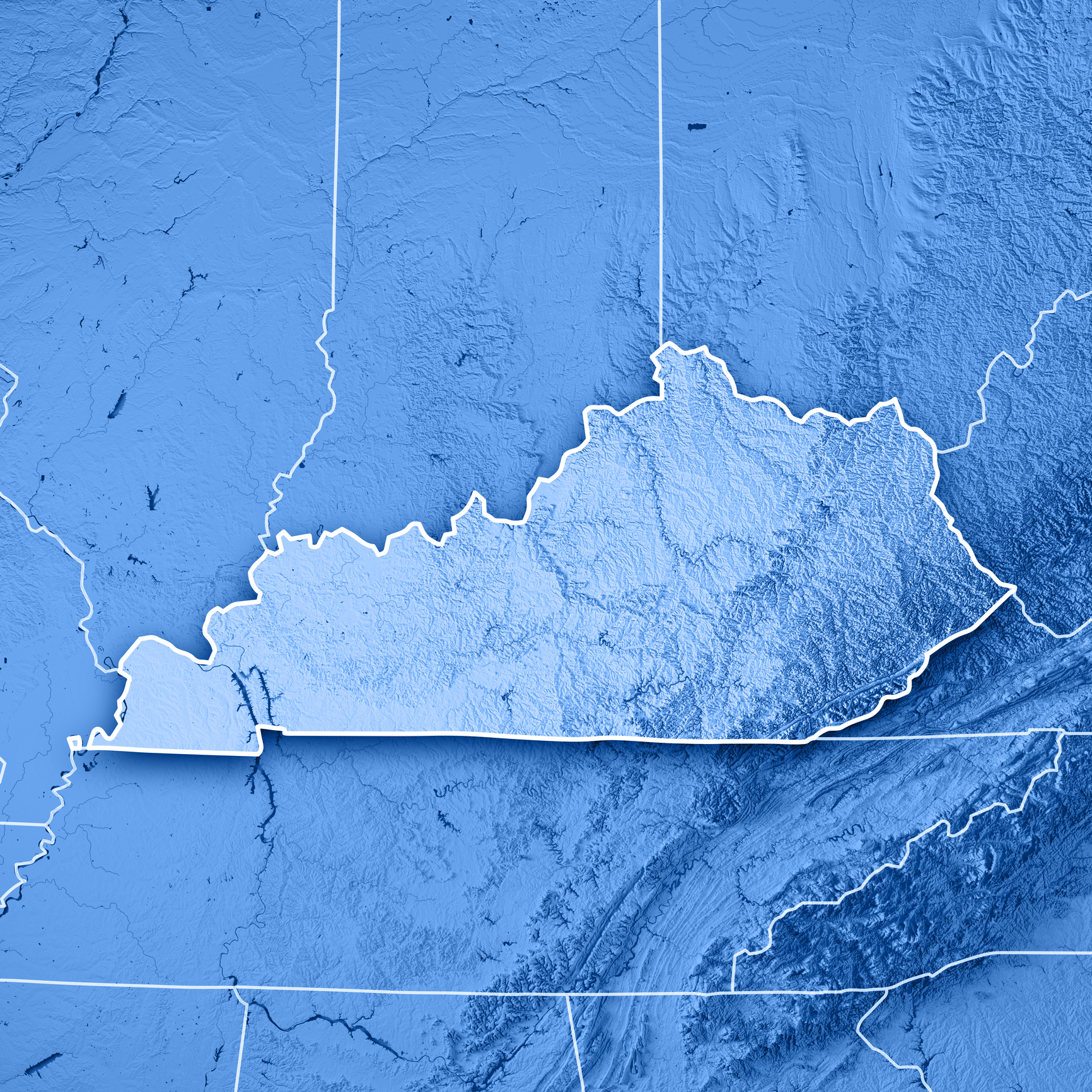
Supporting CTE Teachers in Kentucky

Career and technical education has become a growing focus in schools across the country. Through key state and federal legislation, lawmakers have emphasized the importance of preparing students for in-demand careers and connecting schools with industry. A major part of this work depends on high-quality professional development designed specifically for CTE teachers.

CTE teachers are expected to bridge the gap between classrooms and the workplace. But even with federal funding dedicated for CTE-specific PD, questions remain around whether schools and districts are offering the right kinds of professional learning to meet CTE teachers’ needs.

Why CTE-Specific PD

All teachers benefit from professional development to improve their instructional practice and strengthen classroom management, but CTE teachers often require additional support due to the nontraditional pathways that bring many into the profession and the unique demands of their role. Many come to teaching through alternative certification programs, which means they may not have had the same preparation and support as traditionally trained teachers. Additionally, they manage highly specialized tasks like building industry partnerships and creating work-based learning experiences for students. Given the specific demands of the role, access to high-quality, CTE-specific PD is especially critical.

What We Learned From Teachers

We surveyed 160 CTE teachers across Kentucky, asking them to rate how much they needed different types of PD and how often those opportunities were actually available. By comparing the two, we identified the areas where teachers perceived the biggest gaps.

Teachers identified the areas of greatest need as follows:

  1. Work-based learning
  2. Hands-on learning in online environments
  3. Advisory board engagement
  4. Business and industry engagement
  5. Instructional toolkit creation
  6. Industry-specific curricula

On the other hand, topics like fostering effective classroom environments, engaging in online teaching, promoting inclusive and equitable classroom environments, and building relationships with students had the smallest gaps between need and availability. In other words, PD that is specialized for CTE teachers is often missing, while more general PD aimed at traditional classroom teachers is sufficiently available.

As one teacher put it, “professional development at the school level is based on [the] traditional schoolteacher.” Another secondary teacher emphasized that professional development seems to be designed for “elementary school environments or new teachers.” These perspectives highlight a persistent mismatch between the specialized professional learning CTE teachers need and the generalized offerings that dominate most PD systems.

Recommendations

Diversify PD Options

One way to better meet teachers’ needs is to broaden PD offerings and let teachers choose sessions that are most relevant to them. Some schools have adopted personalized PD models where educators select from a range of options. While this approach works well, smaller or resource-limited schools may struggle to provide enough variety internally. A practical alternative is to lower barriers for teachers to attend external PD (e.g., work-shops, conferences, industry trainings).

Teachers in our study said they wanted these opportunities but often could not attend them because of costs, substitute coverage challenges, or lack of district support. Schools could make a big difference by being more flexible in supporting teachers who want to seek out external PD opportunities. This would help individual teachers grow and also allow them to bring new skills and ideas back to share with their colleagues.

Support Teacher-Led PD

Several teachers suggested that PD would be more useful if it was led by colleagues with relevant expertise. For example, teachers with strong industry backgrounds could lead sessions on workplace connections, while those with stronger classroom experience could guide PD on instructional practices. By tapping into staff expertise, schools can provide CTE-specific PD at a lower cost while also valuing experienced teachers as leaders.

Conduct Regular Needs Assessments

Our study found that teachers rated nearly every PD topic as more needed than available. This trend highlights a misalignment between what is offered and what teachers actually need. Schools and districts can fix this by conducting regular needs assessments, which are short surveys or discussions that ask teachers what supports would help them most and what supports are currently lacking. These assessments ensure that PD planning is responsive rather than generic, making learning experiences more useful and impactful for CTE teachers.

Conclusion

Keep in mind that not all teachers have the same needs. CTE teachers, in particular, play a unique role in preparing students for the workforce, and their PD needs often look different from those of traditional teachers. Supporting them well means being intentional about offering PD that speaks directly to their industry-focused roles.

Our findings show that while general PD is sufficiently available, CTE-specific PD remains limited. Schools and districts can better support teachers by offering more choices, reducing barriers to external PD, creating teacher-led opportunities, and regularly assessing teacher needs. By taking these steps, schools can ensure that PD is not only more relevant for CTE teachers but also more impactful for students’ learning and career readiness.


Jeffrey C. Sun, J.D., Ph.D., is professor of higher education and law, the Gradie R. & Mary D. Rowntree Endowed Chair in educational administration and policy, and director of the SKILLS Collaborative at the University of Louisville.

Heather A. Turner, Ph.D., is the director of research and policy for the SKILLS Collaborative at the University of Louisville.

Mitchel R. Mandel is a Ph.D. student in educational leadership at the University of Louisville whose research focuses on teacher professional learning, emerging technologies in education, student motivation, and equity in PK–12 systems. He previously taught high school science in Colorado and Kentucky.

Read more in Techniques.

# # # # # #